From Algeria to a Japanese language school: my student visa, step by step
How I went from Algeria to a language school in Osaka with no agent and nobody in Japan: choosing the school, the sponsor question, the documents, the COE, the bank transfer that took a week, the visa and the first day — with real dates and costs.
In April 2022 I walked into a Japanese language school in Osaka in a suit, and I was the first Algerian student the school had ever had. Getting there took fifteen months: my first email to the school was in January 2021. I did it without an agent, without a guarantor in Japan and without anyone in my family who had done it before.
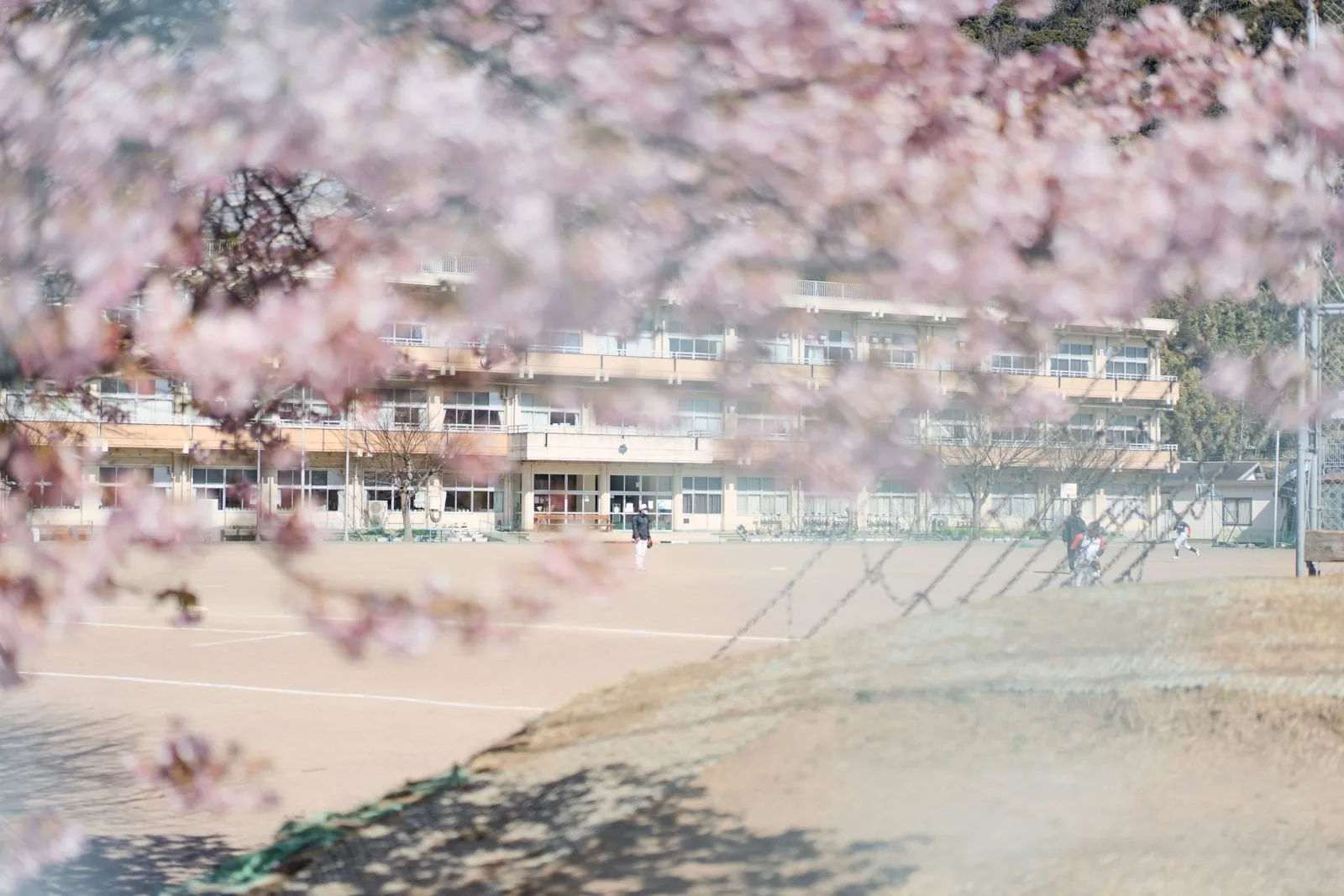
In Japan the school year starts in spring, and the first day is a ceremony
This is the whole process as it happened, with the real dates and the real money, and what I would do differently. The rules below are the ones I went through in 2021–2022; always check the current requirements with your school and the Japanese embassy.
Algeria has no Japanese language programme. I had studied Japanese by myself for about three years, next to my job as a petroleum engineer, and my Japanese friends said I was improving — but I had never had a real class.
Three years of self-study, and never a real class
A language school is the normal way in. It gives you a student visa, a year or more of intensive Japanese, and a base in Japan. If you want a Japanese university later, you go through the language school first; the school then helps you apply to a university in your field.
Two things people always ask me:
Your major doesn't matter. I studied science and engineering; nobody asked me to have a language degree.
English is not required — not by the school, and not at the embassy.
When you search online, you will mostly find agents: companies that "place" you in a school. They typically charge $2,000–3,000 for something you can do yourself, because in the end everything happens between you and the school anyway.
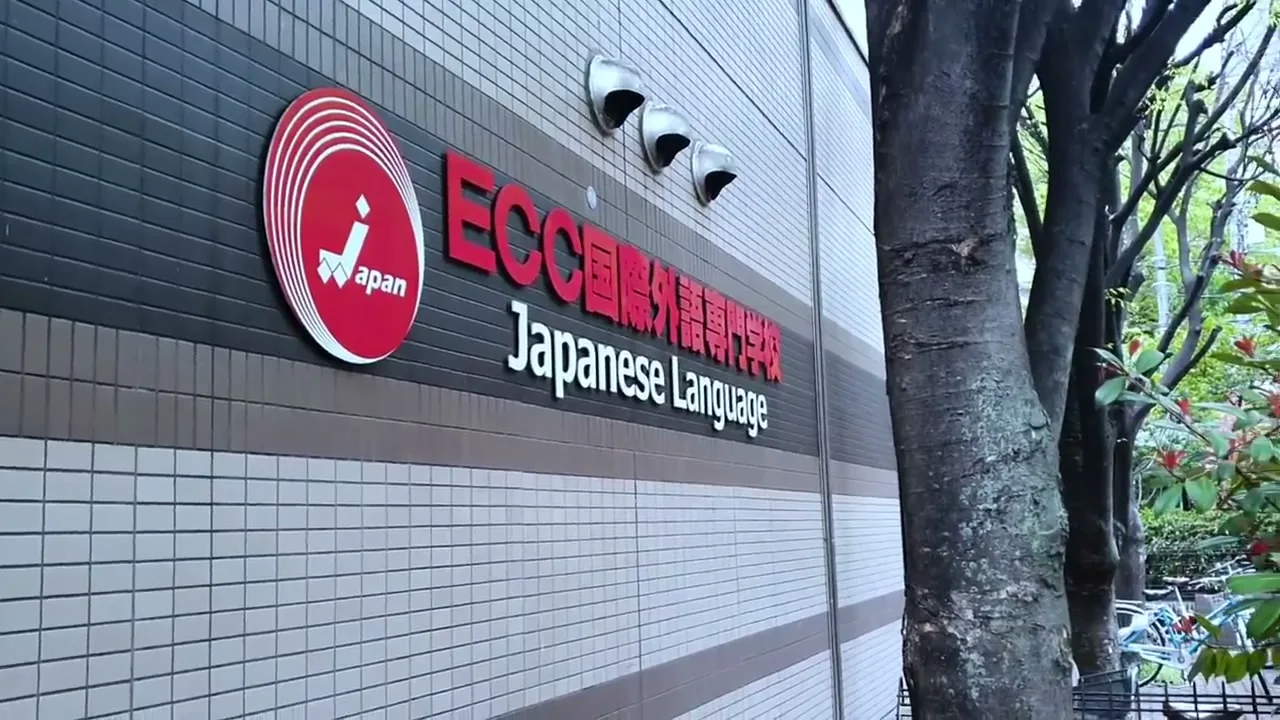
What I did instead: I took the list of schools on gogonihon.com, picked the city I wanted, and emailed the schools directly from their own websites. I chose ECC Kokusai College of Foreign Languages in Osaka. Osaka because people there are friendly, it is in the middle of Japan, and I already had friends in the city.
The school, in Osaka. I wrote to it directly: no agent, no fee to a middleman
The school replied the next day with its guidebook, its prices and the whole process. From that moment, one person in the admissions office answered every question I had for over a year. That person made all the difference.
This is the process the school sent me, and it is the same for most language schools:
Fill in the school's questionnaire (your background, your reasons, your sponsor).
Have an interview (mine was on Skype).
Send the application and documents by email for a first check.
Post all the original documents to the school in Japan.
The school files your COE (Certificate of Eligibility) at the Osaka immigration office.
Immigration issues the COE.
You apply for the visa at the Japanese embassy in your country, with the COE.
You arrive in Japan.
The school also told me its rules before anything else: an intensive course with three to four hours of homework a day, attendance and punctuality taken seriously, and no part-time job during the first three months — you get permission after your first exam if your attendance and behaviour are good.
This was the hardest part for me, and it is where most applications from Africa get stuck.
Immigration wants to see that you can pay for your studies and your life without working illegally. That is the financial sponsor. In my questionnaire I had put my brother, a doctor, as my sponsor. The school warned me:
a sponsor should earn more than 1,500,000 yen a year;
for immigration, siblings, uncles and aunts are weak sponsors — they "don't usually pay". Parents or yourself are what officers expect.
My parents are retired, so the school suggested I become my own sponsor. My engineer's salary was about 3,300,000 yen a year, which was enough, and I had savings. For a one-year course the school asked me to have at least €15,700 (about 2,000,000 yen) in my account before they filed my COE, at the start of December. For 1.5- or 2-year courses they ask for 3,000,000 yen.
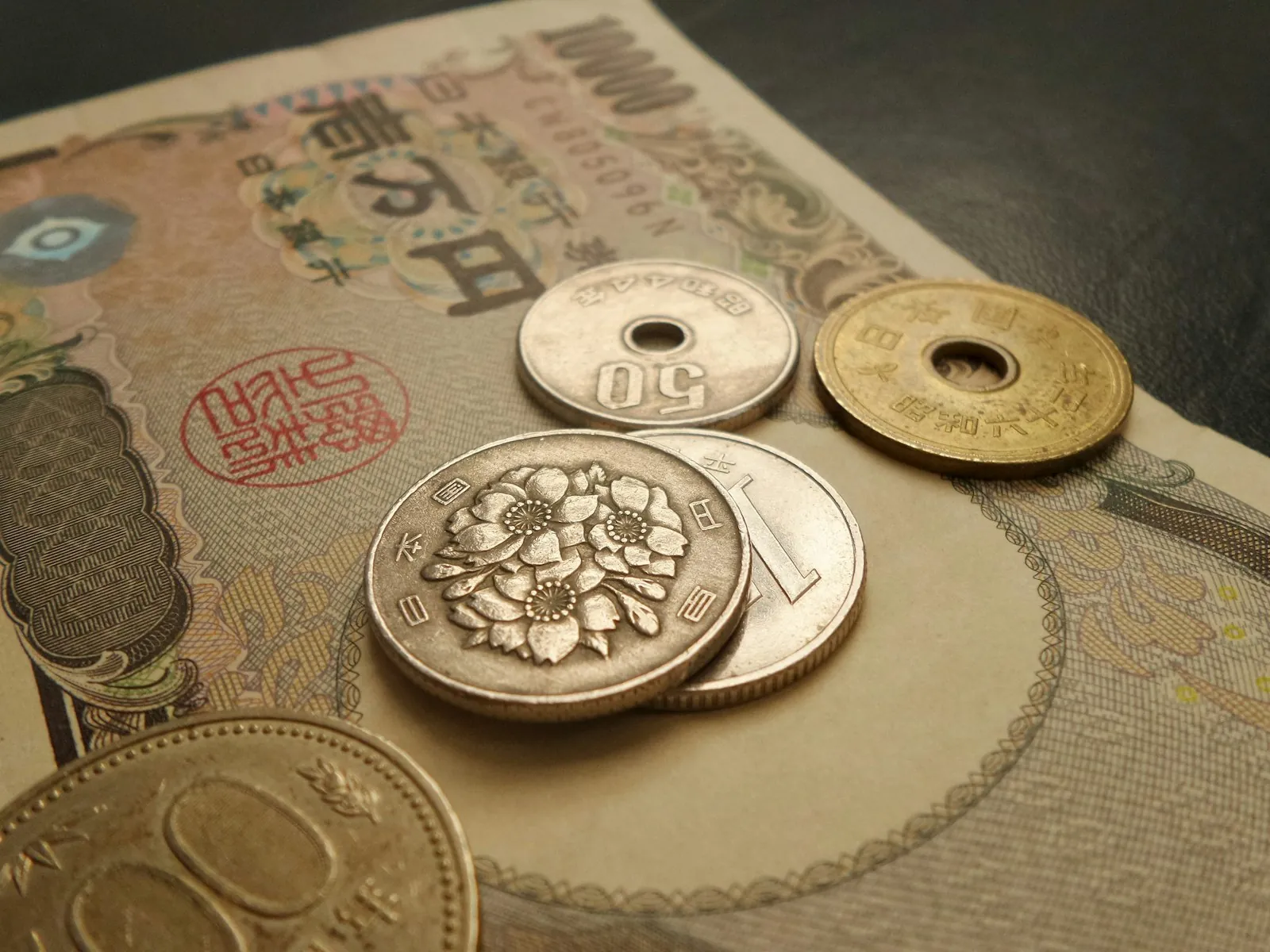
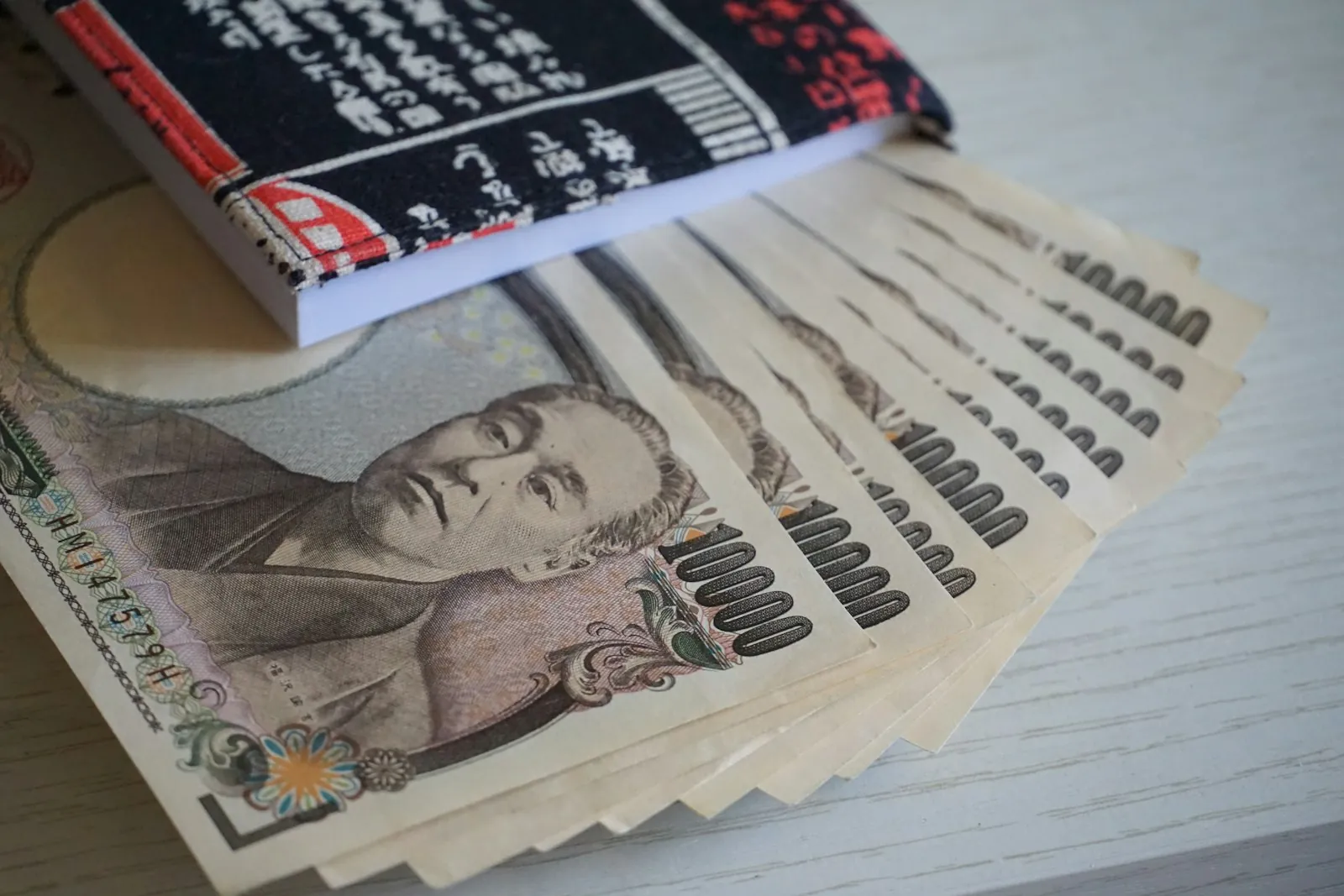
The sponsor question is a money question: how much, and since when
How you prove the money matters as much as the amount. You show either two years of payslips, or a bank certificate showing the money has been in your account for a long time. Money that appears in your account a month before the application looks borrowed.
The interview was in September 2021, at 3 pm Japan time — a normal conversation about my studies, my plans and my money. A week after I sent my application, the school told me I had passed the first screening and asked for the originals:
the school's application form and a written pledge;
4×3 cm photos;
my master's diploma;
my Japanese level certificate;
the financial sponsorship document, my employment certificate and a bank certificate;
my payslips for the whole previous year;
a copy of my passport information page.
I sent everything by DHL from Algeria on 26 October; it arrived in Osaka three days later. Your diploma is not lost: the school returns all the originals at the end of the process.
On 3 December 2021 the school filed my COE application at the Osaka immigration office. The next step was a 20,000-yen screening fee, due within a week.
That is where my Algerian bank became the problem. The bank insisted on an IBAN for the transfer. Japan does not use IBANs at all: a Japanese account only has an account number and the bank's SWIFT code. I had to forward the school's explanation to my bank adviser, the transfer (€157) left a week later, and the school was already writing to ask where the money was.
Tip: before the school sends you an invoice, ask your bank how it sends money to Japan with only a SWIFT code and an account number. It will save you a week of stress.
The school had told me the result would come on 18 February 2022 — and it did: my COE was issued. Then everything moved fast:
I paid the first tuition instalment: €3,900 (about 508,000 yen), by bank transfer again.
The school posted the COE to my home in Algeria.
I applied for the visa at the Japanese embassy in Algiers with the COE.
With the COE in hand, the visa itself is the short part
My timing was strange: Japan had closed its borders during Covid and only reopened them to international students on 1 March 2022. Quarantine was seven days at the time, and my Sinovac doses were not recognised in Japan (my AstraZeneca ones were). The school made one thing very clear: you cannot plan your entry on your own. You follow the school's instructions until the end of your isolation, or you risk losing the visa.
Classes started on 15 April 2022. In Japan the school year begins in spring and the first day is a ceremony, so I went in a suit. When I arrived, the staff recognised me from the airport, where they had come to meet me — and laughed at my new haircut.
It was Ramadan. I finished late because I went to buy a stamp, so the sunset caught me outside. I found a halal restaurant on the way home — closed. So I broke my fast with a cold coffee from a vending machine, the one thing you can find on every street in Japan.
My first iftar as a student in Japan: a cold coffee from a vending machine
A student visa allows 28 hours of part-time work a week (arubaito, アルバイト) once you get the permission. It helps, but it does not pay for a school year — plan your savings as if you won't work at all.
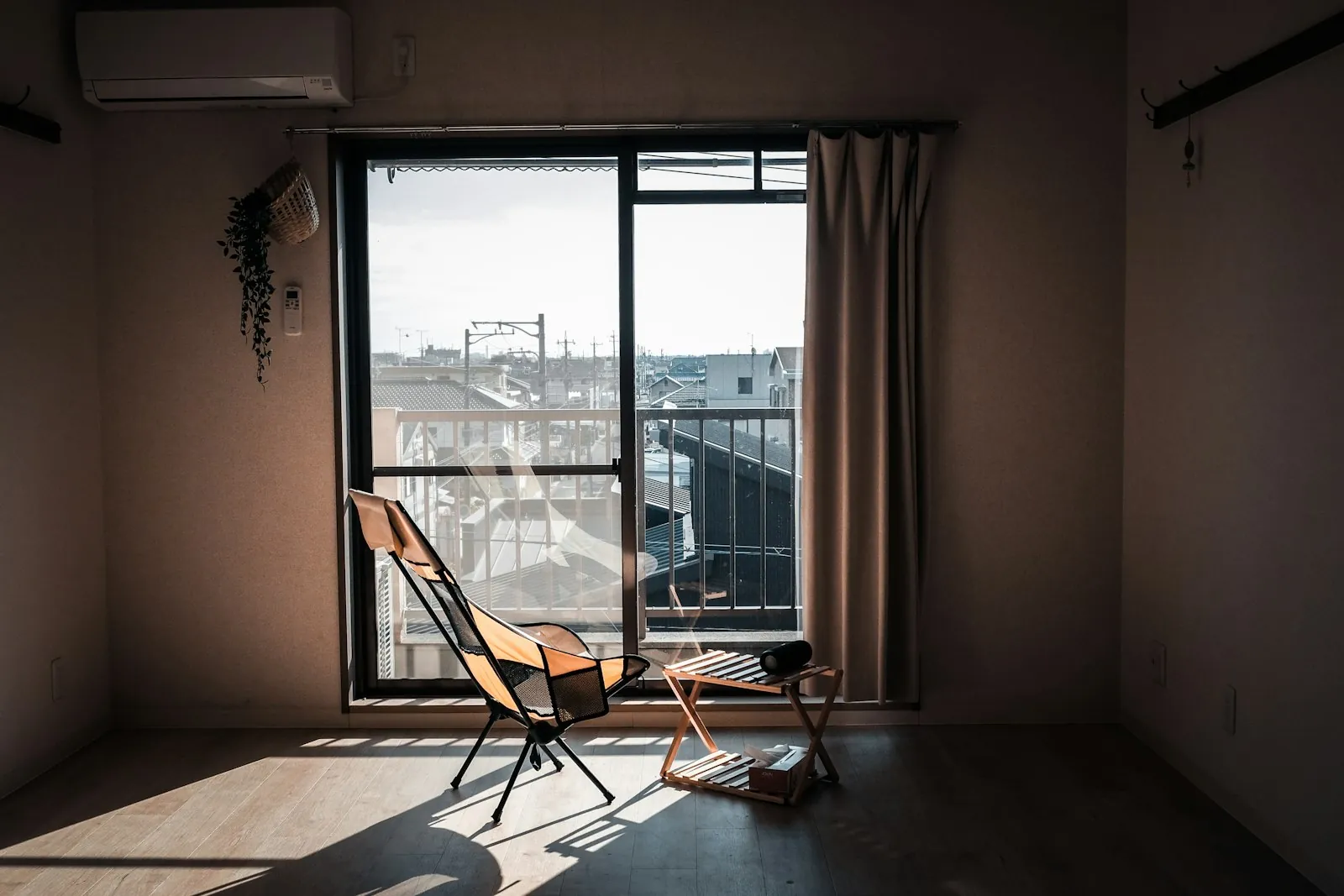
A first room in Japan is small and simple — and that is how you keep the budget
After the language school you have choices: go home, go on to a university (expensive — prepare the money before you come), or change to a work visa if a company hires you. That last one is what I did.
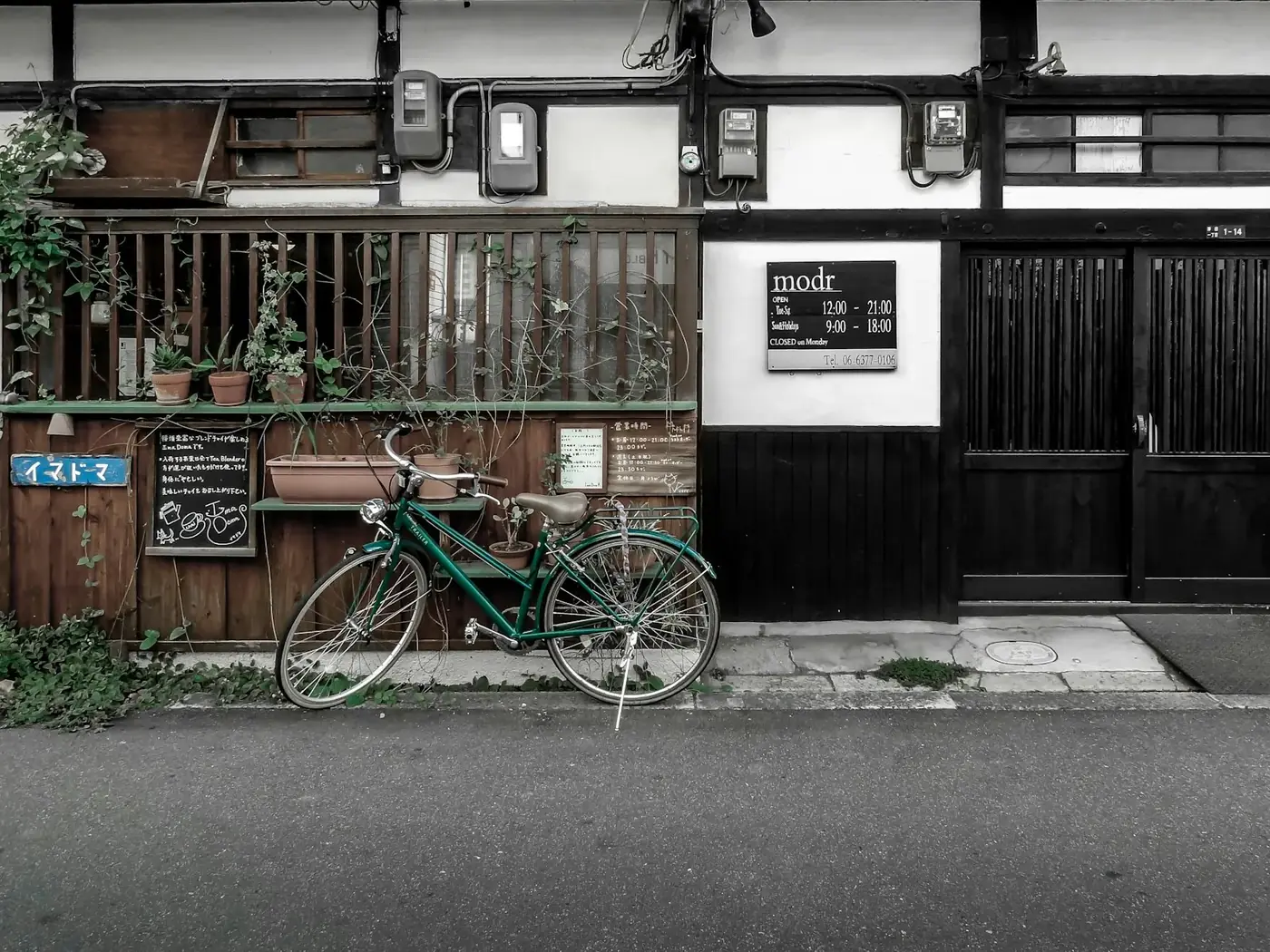
A bicycle is the cheapest way to get around as a student
I did all of this alone: no agent, no family in Japan, and no guarantor here to call when something went wrong. What saved me was one patient person at the school who answered every email for fifteen months.
Not everyone gets that. So I want to be that person for others. With 7-MD's study-in-Japan support, I help with exactly the steps in this article: choosing a school without paying an agent, building a strong sponsor and money file, preparing and checking the documents, following the COE, the visa at the embassy, housing and the first days after you land. In Arabic, French or English — from someone who went through it from Algeria.
If you are planning to study in Japan, start with the page below, or send me your question.
K
Kader — 7-MD
Kader is the founder of 7-MD, a creator brand and digital studio in Osaka, Japan. He went from an engineering career in Algeria to building software, stories and services in Japan — and writes here about what 7-MD makes and how.
My real experience converting an Algerian licence at the Kadoma centre in Osaka: the phone calls, the interview, the written test, the failed driving tests — and the app I built so other foreigners don't waste months and money.