My first month in Japan: SIM card, residence card, ward office, bank — and the shops that saved my budget
What I did in my first weeks as a student in Osaka, in the right order: the SIM card I ordered before flying, the question at the airport you should say yes to, the ward office, opening a bank account, the apartment — and how a supermarket and a 1,200-yen haircut changed my budget.
My student visa story ends when the plane lands. This is the part that starts at the airport: the first month, when everything is new, written in Japanese, and more expensive than it needs to be.
Here is what I did, in the order I would do it again, with the mistakes that cost me money.
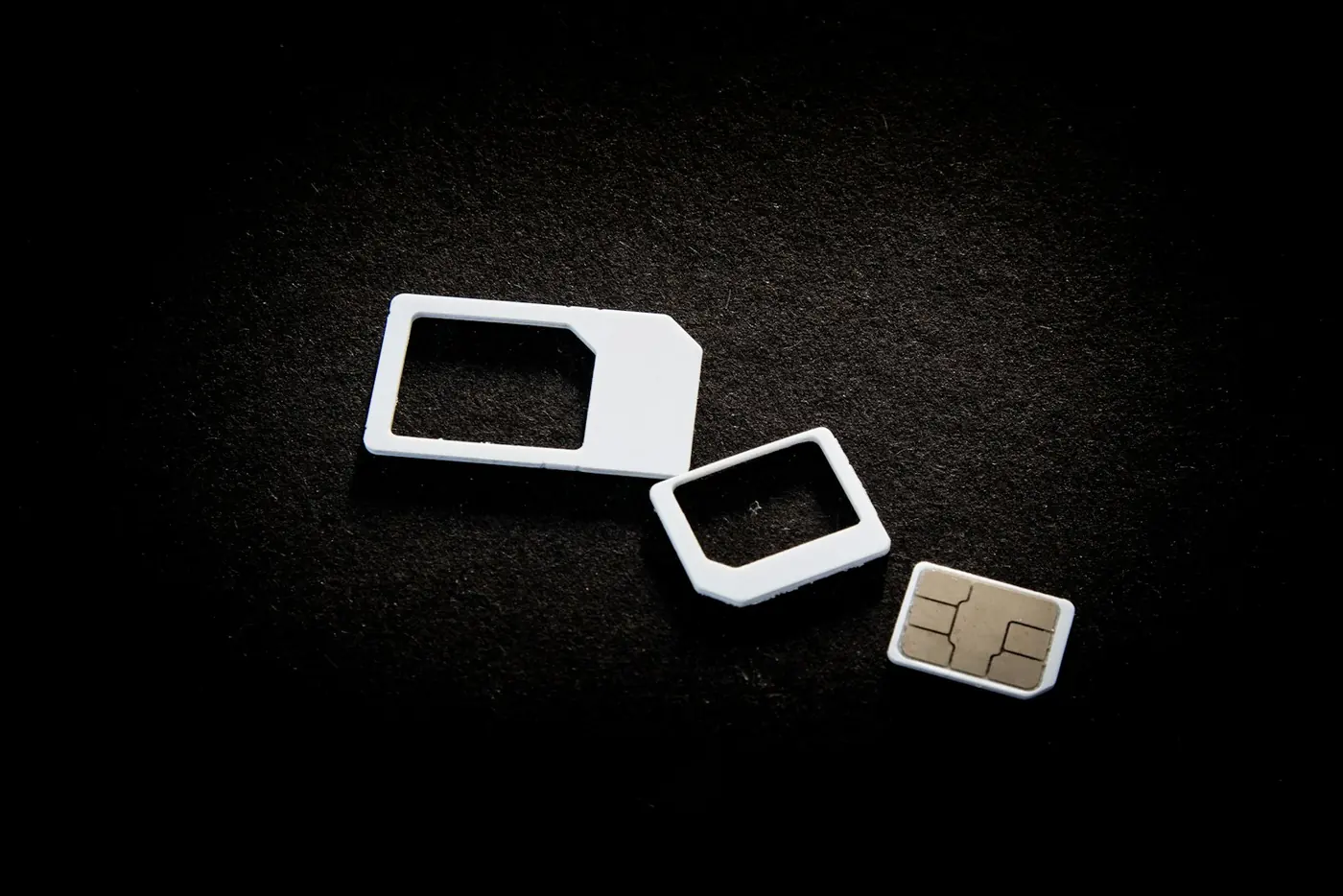
The one thing I prepared perfectly was my phone. Before leaving Algeria I ordered a long-term SIM from Mobal, a provider for foreigners: a plan with data and phone calls on a Japanese number. You can pick it up at the airport when you land, or have it shipped to your home country before you leave, so your phone works from the first minute.
I used it for about three years without a single problem. In the first days you need a working number for everything — the school, the ward office, the bank, the landlord — so don't leave this for after you arrive.
At the big international airports, immigration gives you your residence card (在留カード, zairyū kādo) on the spot. It is the most important card you will own in Japan: your ID for every office, bank and phone contract.
At the counter the officer will ask you — in Japanese — whether you want permission to work part-time (資格外活動許可). Say yes. Even if your school forbids work for the first months, as mine did, you will want that permission later, and applying for it afterwards means another trip to immigration and weeks of waiting. Getting it at the airport costs nothing and takes a minute.
Day one: register your address at the ward office#
I registered my address on my first day. You go to the ward office (区役所, kuyakusho) of the area you live in with your residence card and proof of your address — your rental contract or a bill — and they write your address on the back of the card. You must do it within 14 days of moving in anyway, and nothing else (bank, phone contract, insurance) works until the card shows an address.
At the same visit you will normally be signed up for National Health Insurance, and asked about the pension: as a student you can ask for the student payment exemption. Ask the staff — they handle new foreign residents every day.
A few weeks after you register, a letter with your My Number (マイナンバー) arrives by post: your personal number for tax and social security. Keep it safe. Your part-time employer and your bank will ask for it, and you can use it to apply for the My Number card at the same ward office.
The Japanese banking system was the most difficult part for me. A Japanese account is still built around paper forms, a seal and a Japanese address — and when I tried at first, the bank wanted a letter from my school before it would give me a card I could use for a part-time job.
What saved me was the school: opening an account was part of its student support. It works with AEON Bank, and the account was opened inside the school, with the staff helping.
If you are on your own, the easiest way I know now is SMBC: you can open an account online with the Android app, using your residence card and your student card, with no problems.
Renting in Japan as a foreigner who has just arrived is hard: guarantors, key money, agents who don't call back. I didn't have to deal with any of it. My school arranged the apartment before I came: I paid the school, and it handled the contract and everything else, so I had keys on the day I arrived.
If your school offers this, take it for the first year. You can look for your own place later, when you have a residence card with an address, a bank account and someone to act as a reference.
An IC card is your wallet for trains. In Osaka it is ICOCA, in Tokyo Suica — they work everywhere in Japan. You buy one at any station machine, top it up with cash, and tap it at the gates, on buses, and at convenience stores and vending machines. Once you have your student status, ask your school about a student commuter pass (通学定期): the discount on your daily line is large.
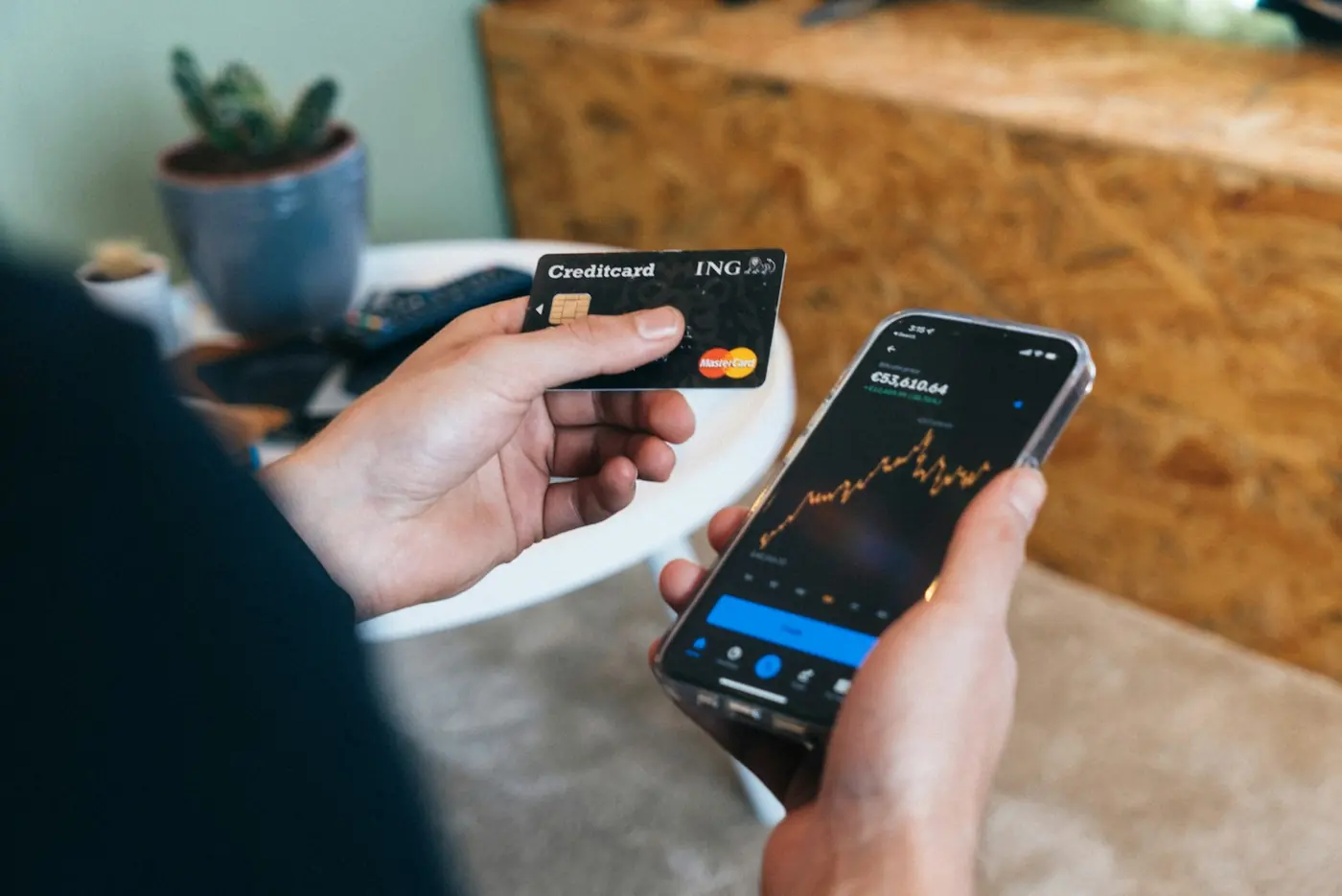
Japan still runs on cash more than you expect. Small restaurants, some barbers and many local shops take cash only, so always keep a few thousand yen on you. If your foreign card doesn't work, the ATMs inside 7-Eleven accept most foreign cards.
Three apps make the first month easier:
LINE — everyone in Japan uses it: your school, your classmates, your part-time job.
Google Maps — the best train planner, with the exact platform, exit and fare.
Google Translate — point the camera at a form, a menu or a letter from the ward office.
The first month is expensive — it doesn't have to stay that way#
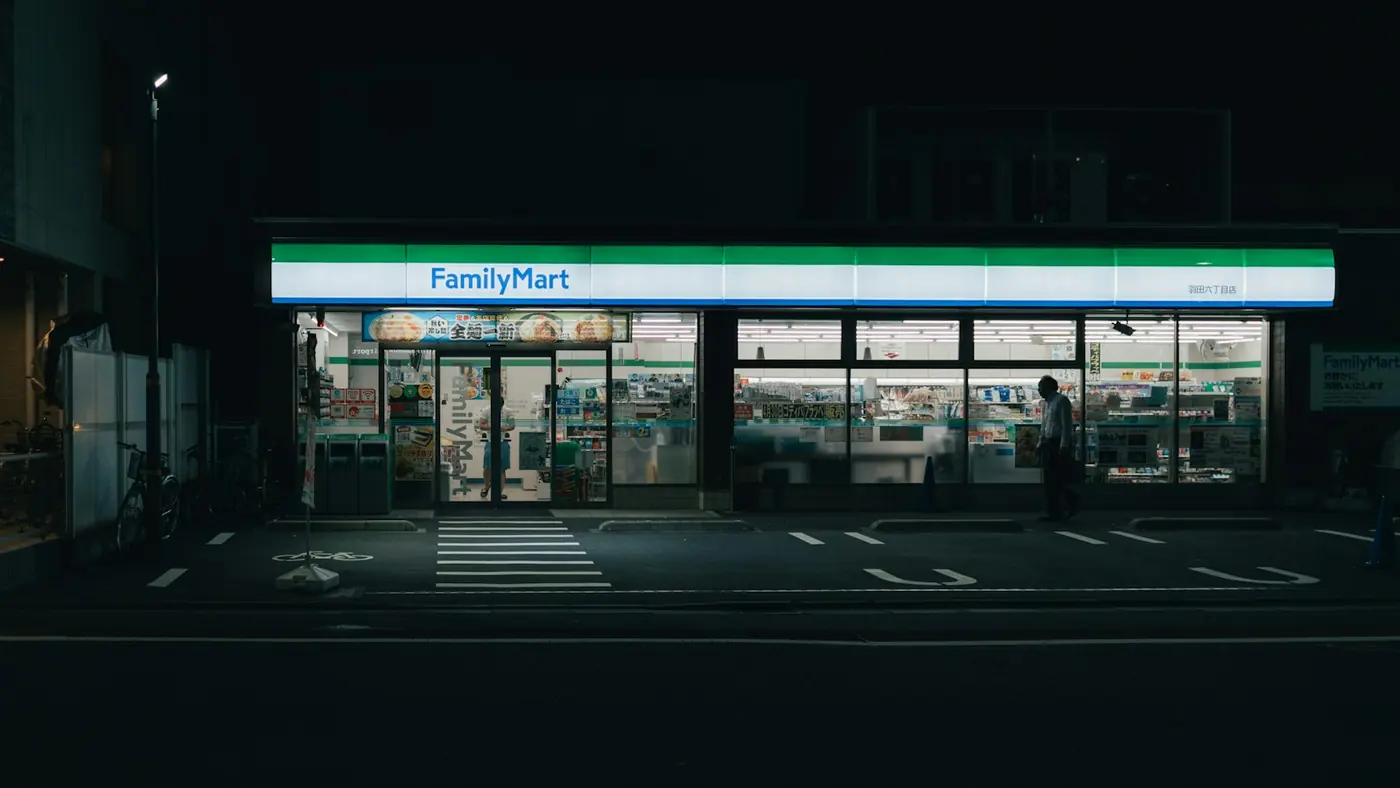
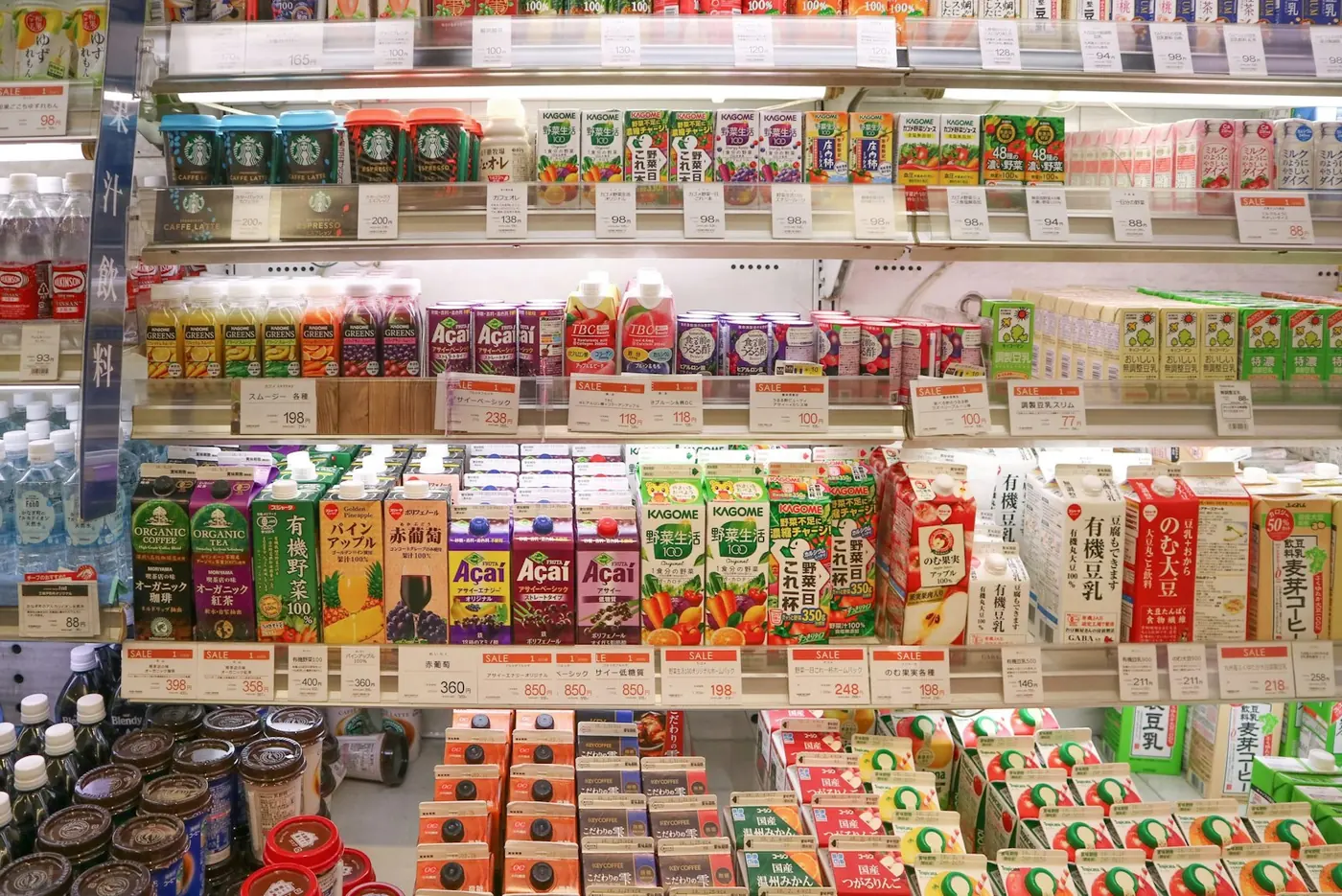
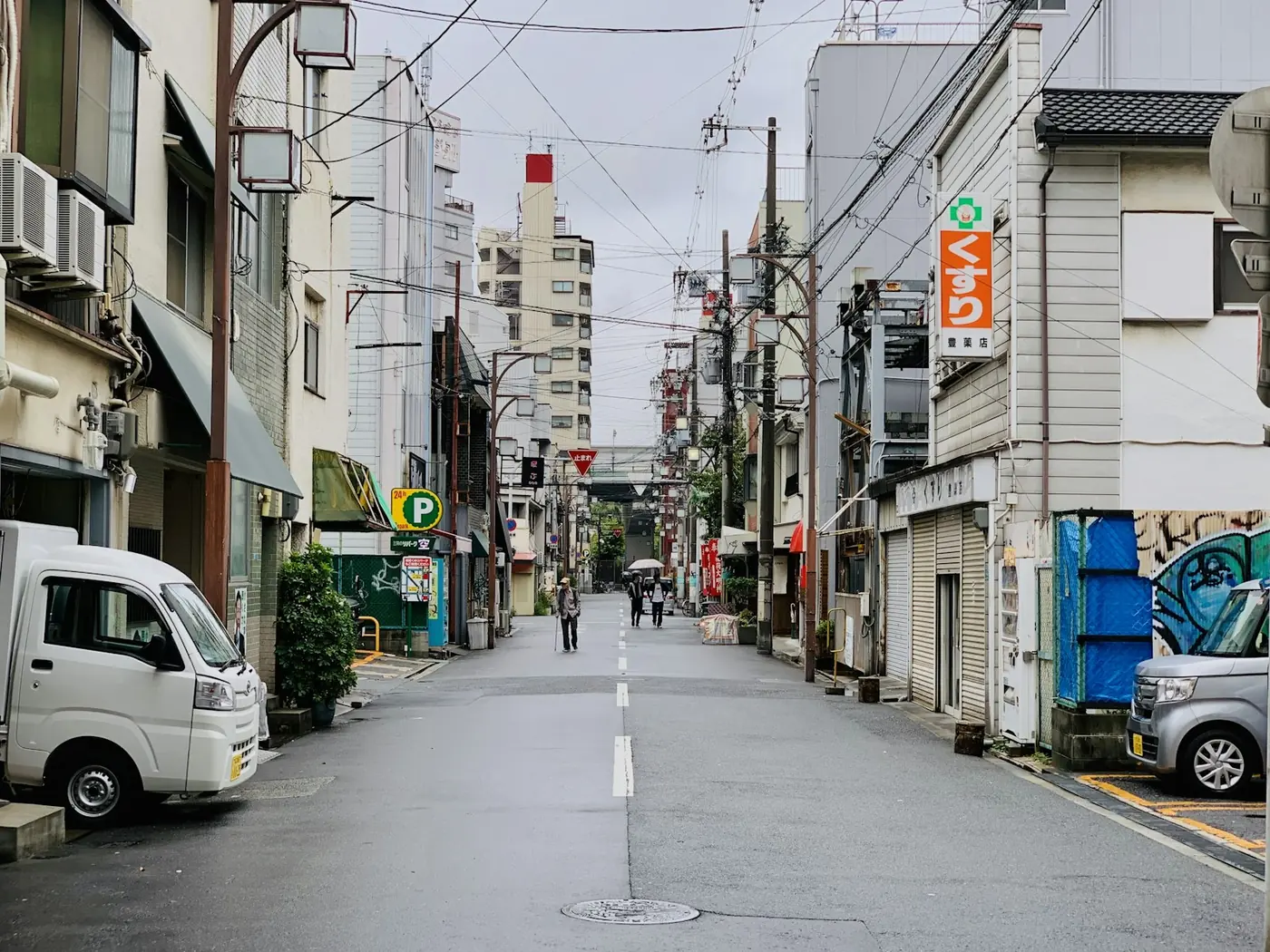
My first month cost far more than it should have. I bought almost everything at convenience stores (konbini) and department-store food floors, because they were close, open all night and easy. They are also the most expensive way to eat in Japan.
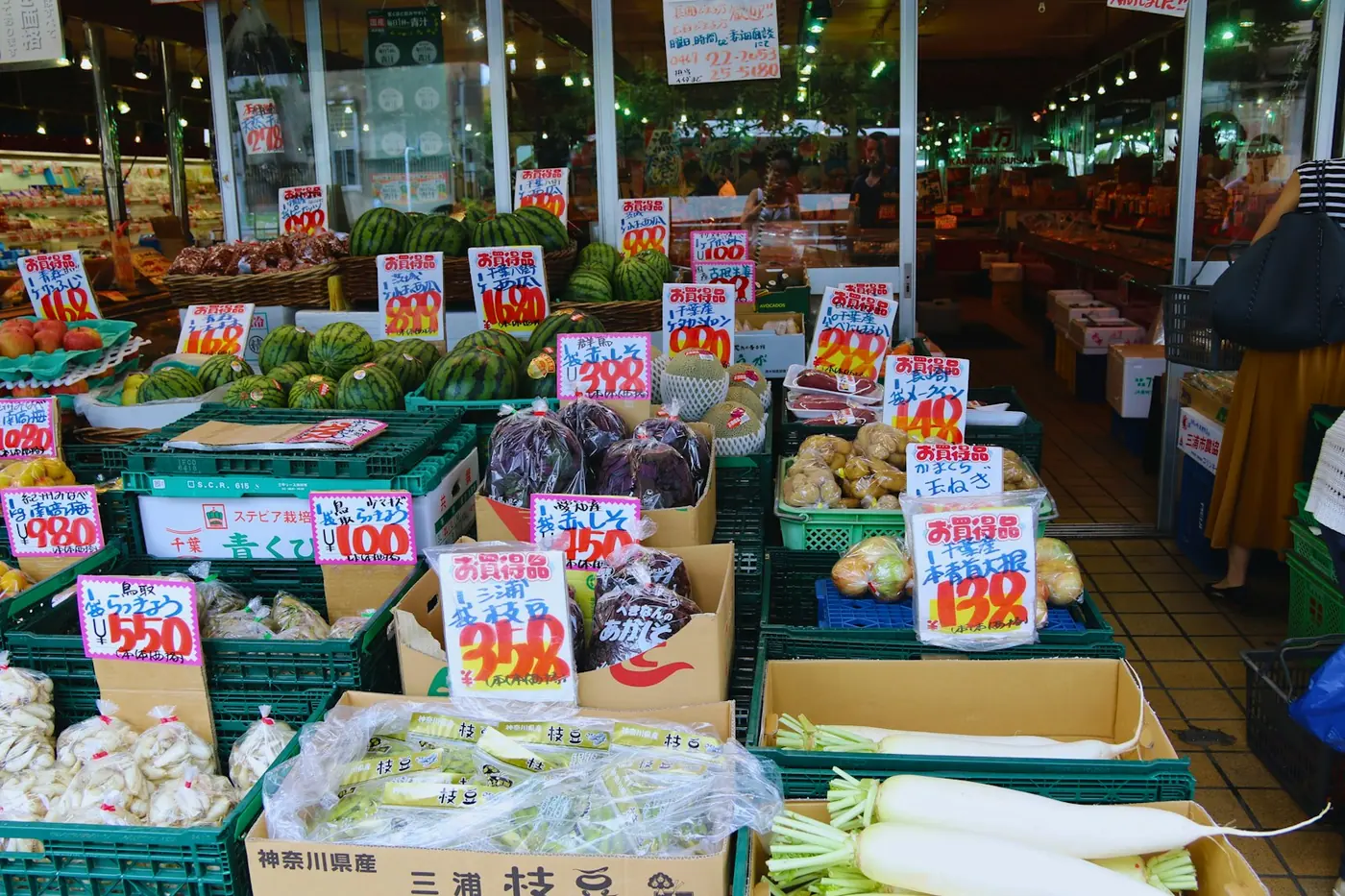
After a month I discovered Life (ライフ), a supermarket chain: very convenient and much cheaper. A month after that I found Gyomu Super (業務スーパー), and that changed my life. It sells international products at prices lower than anywhere else, and many products are halal-friendly — spices, meat, frozen food and ingredients that taste like home.
Supermarkets, not convenience stores: the single biggest saving of my first yearGyomu Super sells international and halal-friendly products for less
Tip: in your first week, find the nearest supermarket and the nearest Gyomu Super. Use convenience stores for what they are good at — bills, printing, a coffee at midnight — not for your weekly food.
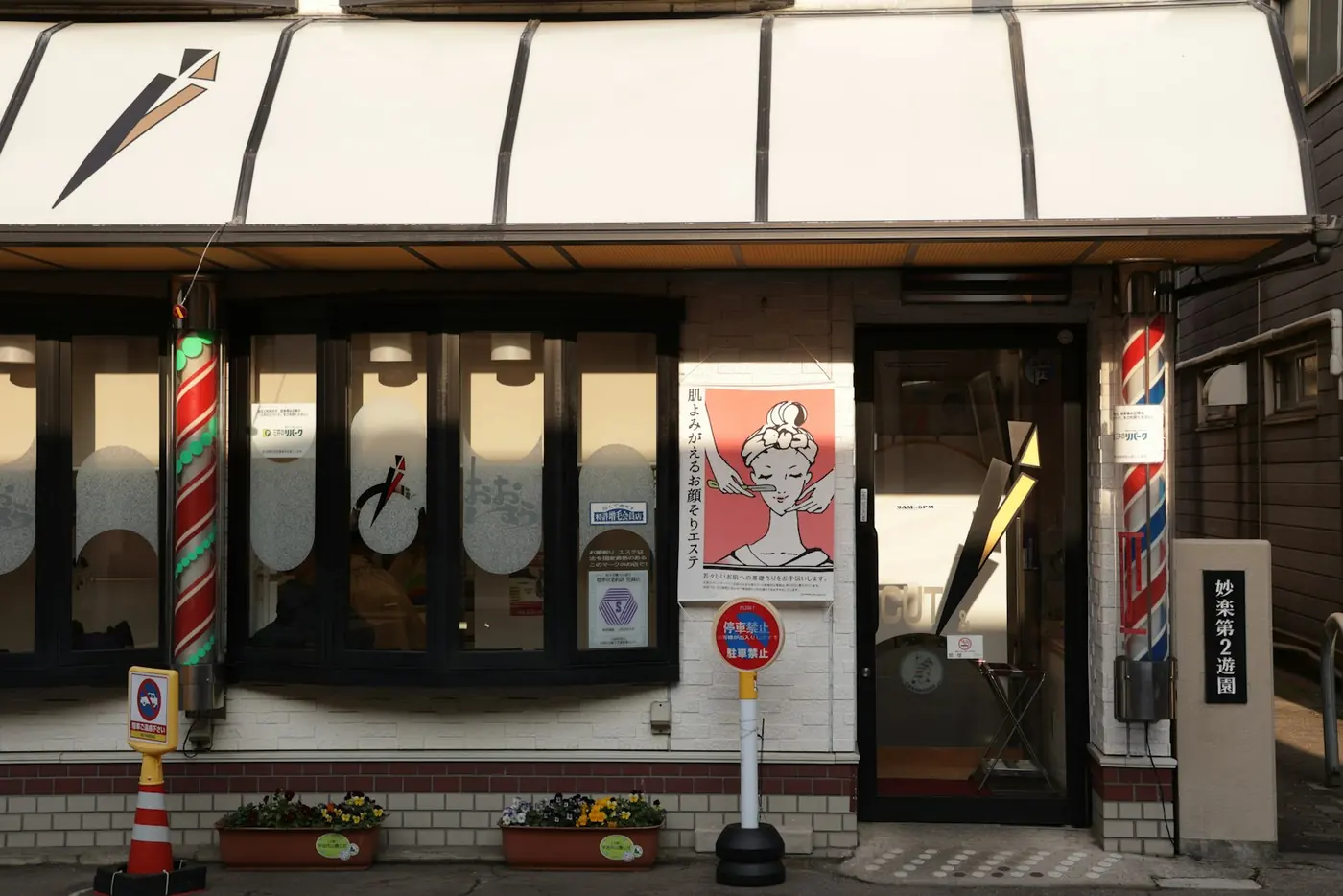
For my first haircuts I went to normal salons and paid about 6,000 yen each time. Then I discovered the quick barbers inside shopping malls and train stations: about 1,200 yen, fast and good. That was a game changer — five times cheaper, every month.
Electricity is 100 V (Algeria uses 220 V). My good shaver from home died on the first morning. Check your devices before you plug them in, or buy a converter.
Rubbish has days and hours. Each type of rubbish goes out on its own day, early in the morning, and neighbours notice when you get it wrong. Ask for your area's calendar at the ward office.
Osaka's summer is humid in a way you only believe once you feel it.
Everything that went well in my first month went well because someone had done it before me: the school opened my bank account and found my apartment. Everything that went badly — the expensive food, the 6,000-yen haircuts — was simply because nobody told me.
That is exactly what 7-MD's study-in-Japan support covers after the visa: the SIM before you fly, the airport, the ward office, the bank, housing and the first weeks — in Arabic, French or English, from someone who arrived in Osaka with the same questions.
K
Kader — 7-MD
Kader is the founder of 7-MD, a creator brand and digital studio in Osaka, Japan. He went from an engineering career in Algeria to building software, stories and services in Japan — and writes here about what 7-MD makes and how.
A school dropped its N4 rule after hearing me speak, and I was hired with N3 where N2 candidates were refused. Why the way you speak Japanese opens more doors than certificates and kanji — and how to train your voice.
How I went from Algeria to a language school in Osaka with no agent and nobody in Japan: choosing the school, the sponsor question, the documents, the COE, the bank transfer that took a week, the visa and the first day — with real dates and costs.
My real experience converting an Algerian licence at the Kadoma centre in Osaka: the phone calls, the interview, the written test, the failed driving tests — and the app I built so other foreigners don't waste months and money.