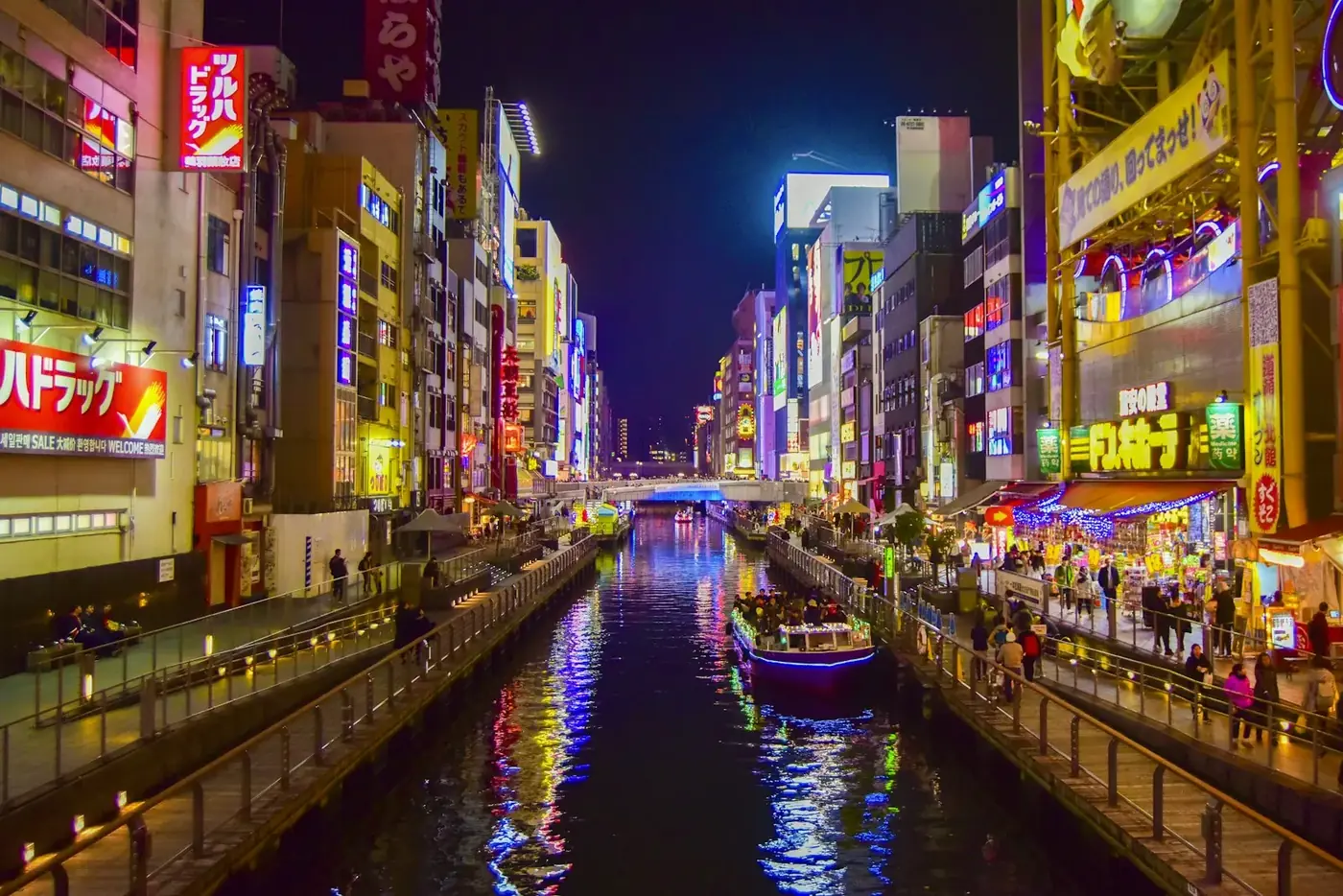
The “gaijin seat”: why the seat next to a foreigner stays empty on Japanese trains
Foreigners in Japan call it the gaijin seat: the empty seat next to you on a busy train. After five years in Japan, here are the real reasons behind it, why it is usually not racism, and what you can do about it.
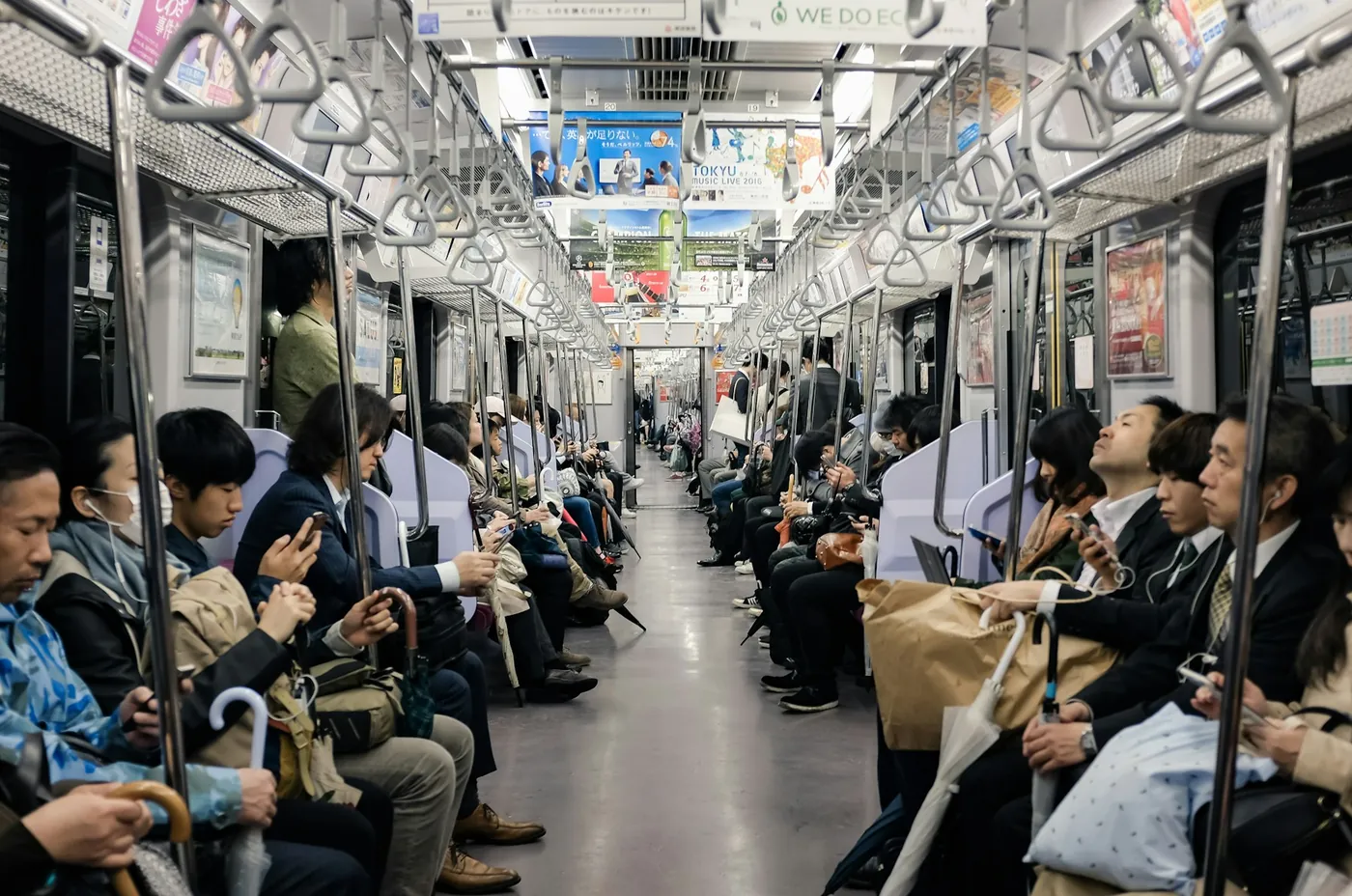
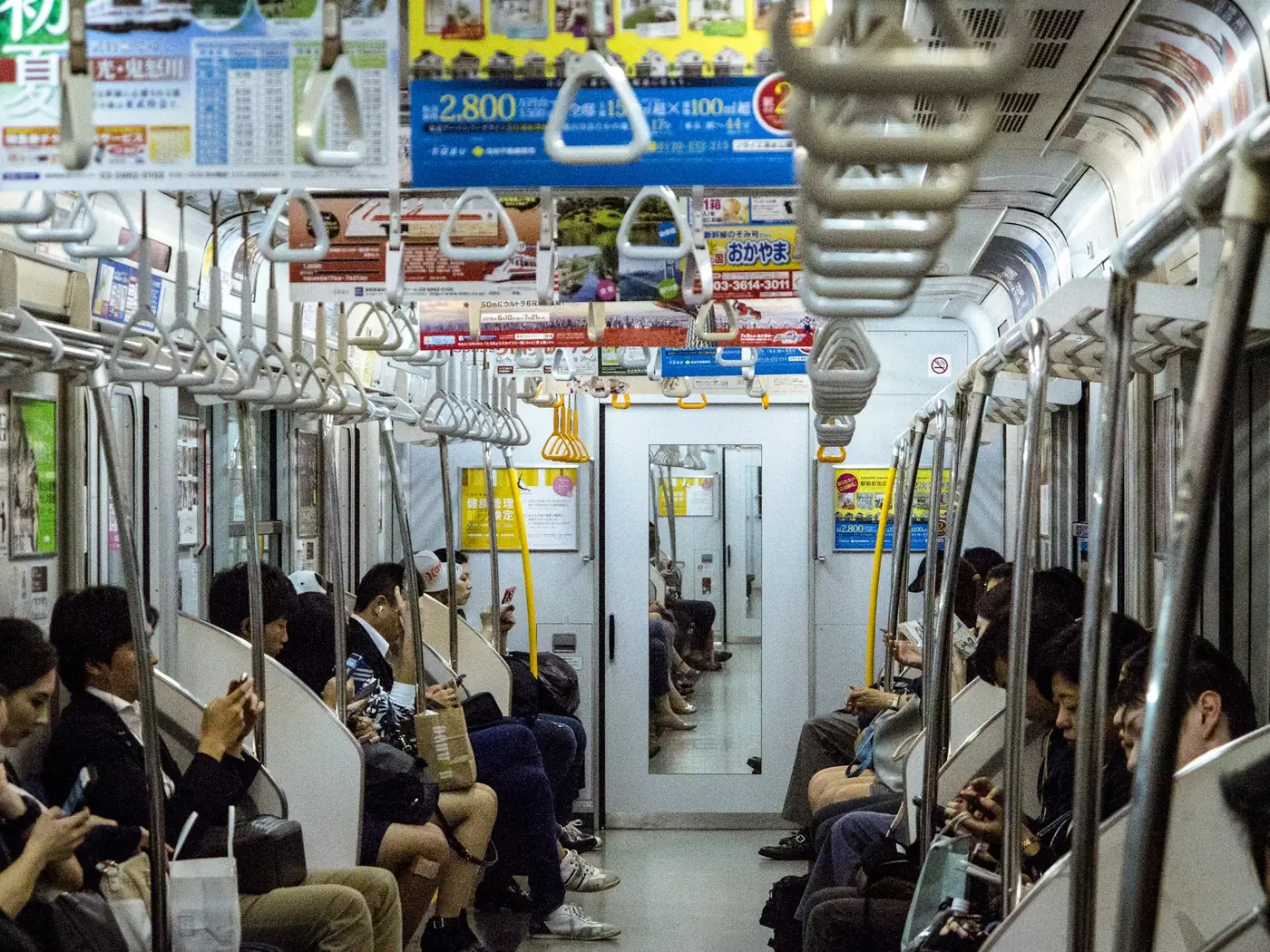
If you watch videos about life in Japan, you have probably heard of the "gaijin seat" (外人席). The train is busy, people are standing, and the seat next to the foreigner stays empty. Some foreigners say that when they sit down, the Japanese person beside them gets up and moves away.
I have lived in Japan for five years and I take the train almost every day. Honestly, this has not really happened to me. But I have seen it happen to other foreigners, and I understand why it hurts. You feel like people are running away from you.
So here is my explanation, from the inside. In most cases it is not racism. It is a mix of train habits, Japanese culture and a few fears, and you can change more of it than you think.
Gaijin (外人) is the short, informal word for a foreigner (the polite word is gaikokujin, 外国人). Some foreigners find it a little rude, but everyone online uses it for this. It describes three situations:
the seat next to you stays empty on a crowded train;
someone sits next to you, then moves to another seat as soon as one becomes free;
people prefer to stand rather than take the seat beside you.
From your side, it all looks the same: they don't want to sit next to me. But each situation has a different reason.
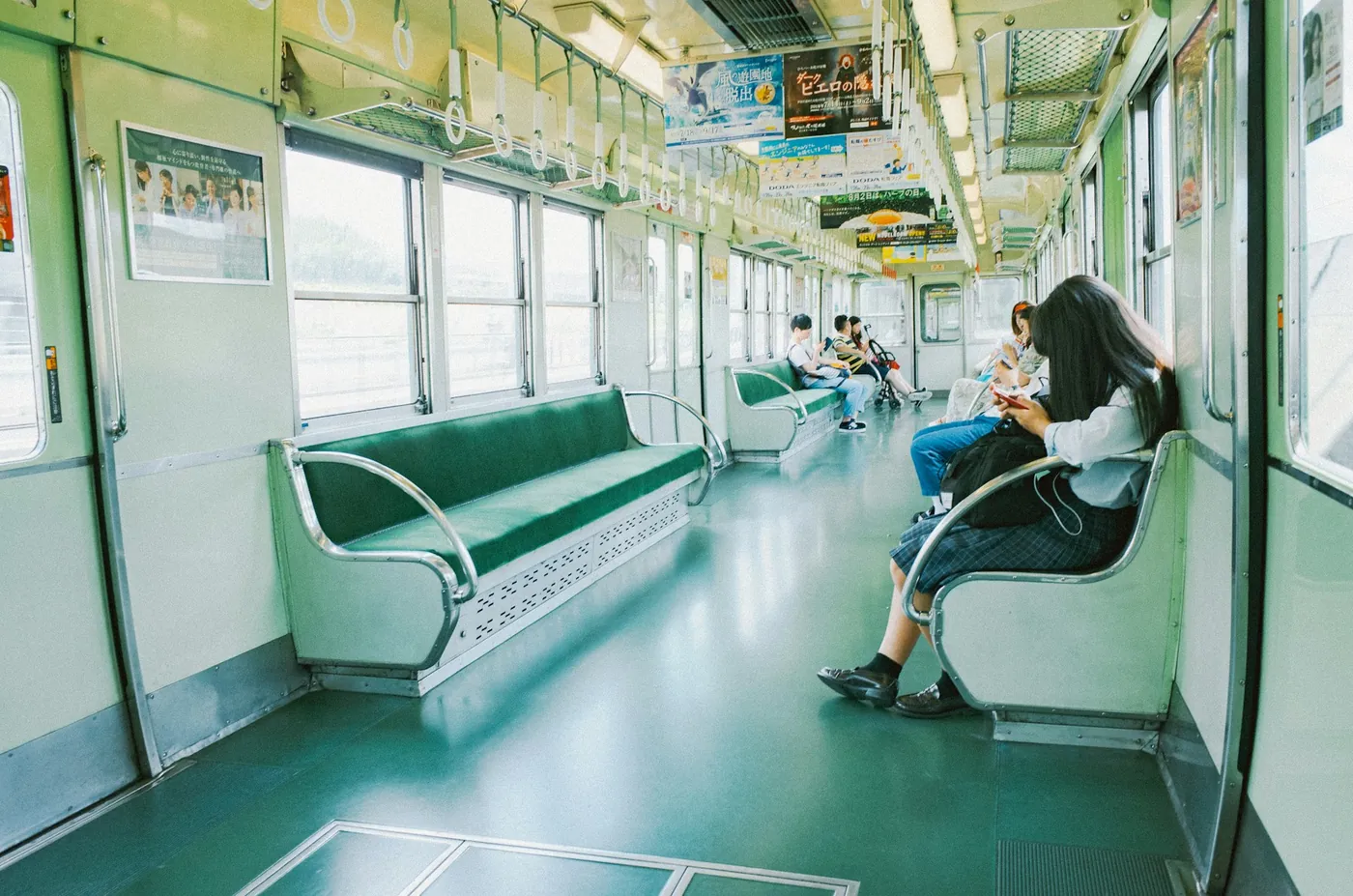
On a long bench seat, the ends next to the partition always fill first
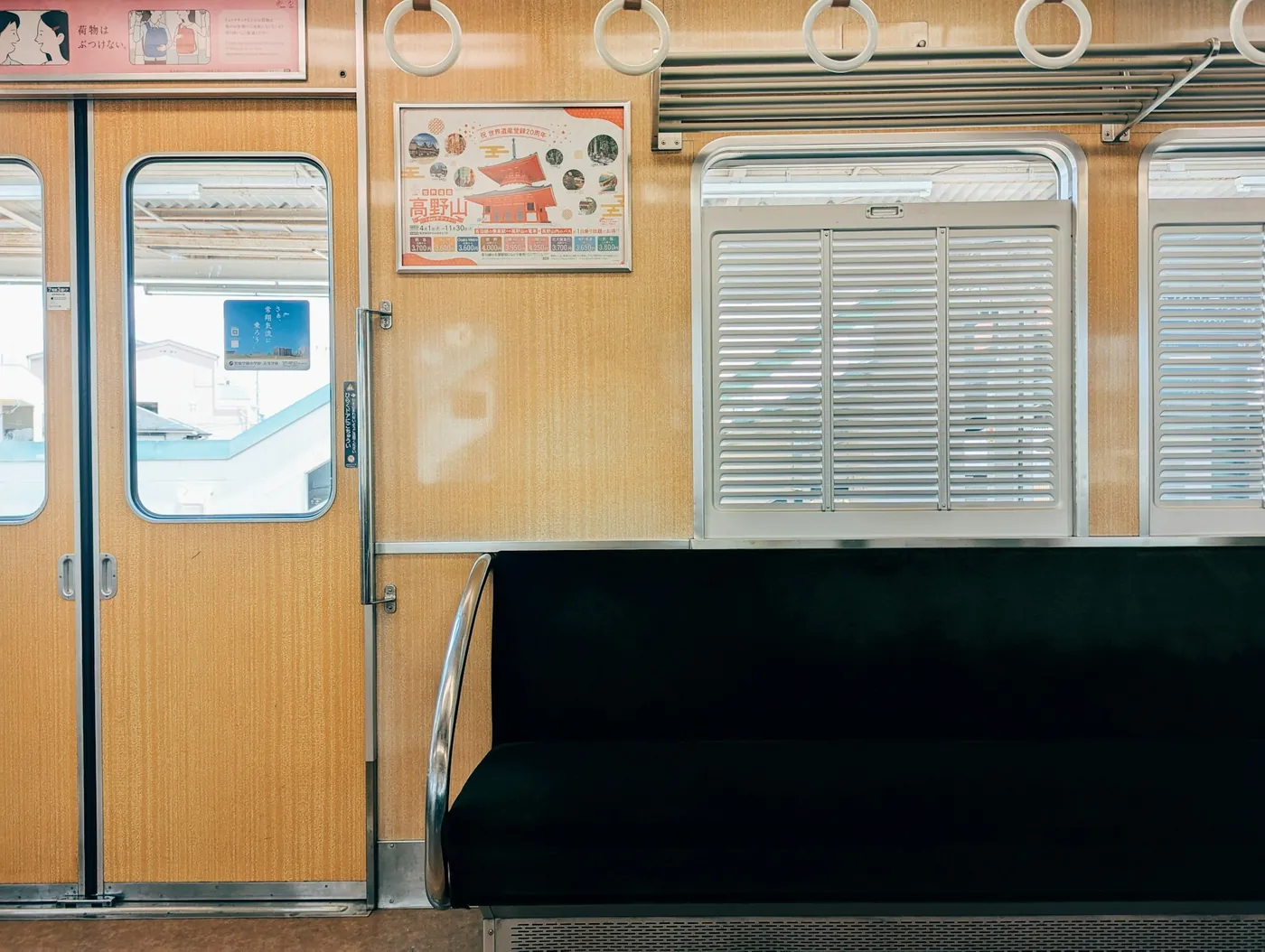
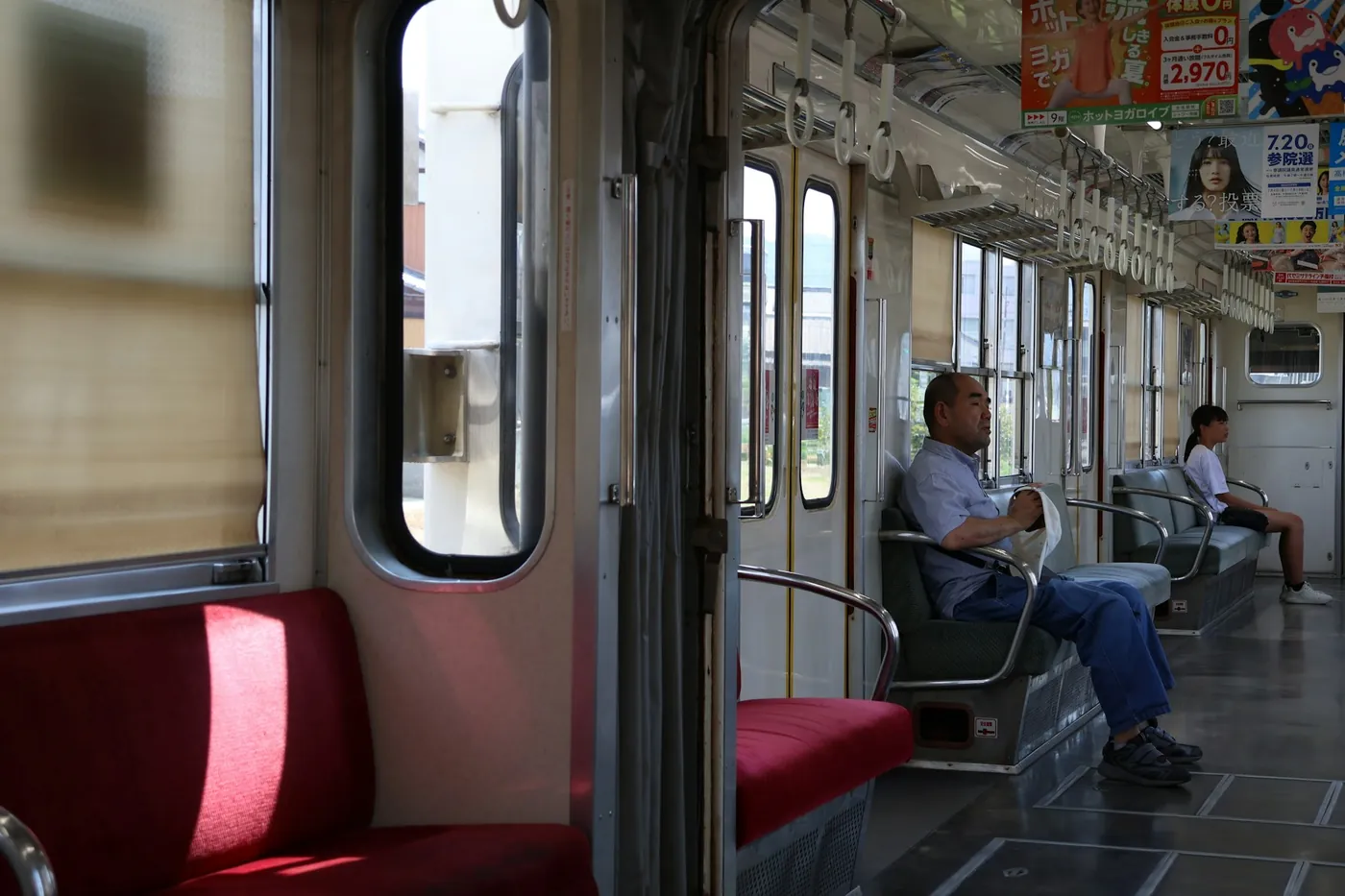
Most city trains in Japan have long bench seats along the walls (ロングシート), with room for about seven people. Watch how Japanese passengers choose: almost everyone goes for the ends, the seat on the left or right next to the partition or the door. You can lean on the side, you have only one neighbour, and you are close to the exit.
So when an end seat becomes free, people move to it, even if they were sitting next to another Japanese person. It is a habit, not a message.
Now imagine you are sitting in the middle of the bench. The person next to you sees the end seat free up and moves. From where you sit, it looks like they ran away from you. From where they sit, they just got the best seat in the car. Next time, watch the Japanese passengers around you: you will see them do exactly the same thing to each other.
Many foreigners are simply bigger than the average Japanese person: taller, wider shoulders, bigger bags. Train seats in Japan are narrow. Sitting next to a big body means squeezing in, touching shoulders and feeling small for the whole ride. Many people would rather wait for another seat.
There is also a funnier reason, and I am only half joking. If you are good-looking, some people don't want to sit beside you because the people sitting opposite will compare them with you. On a long bench, everybody faces a full row of strangers. Nobody wants to be the "before" photo next to the "after" photo.
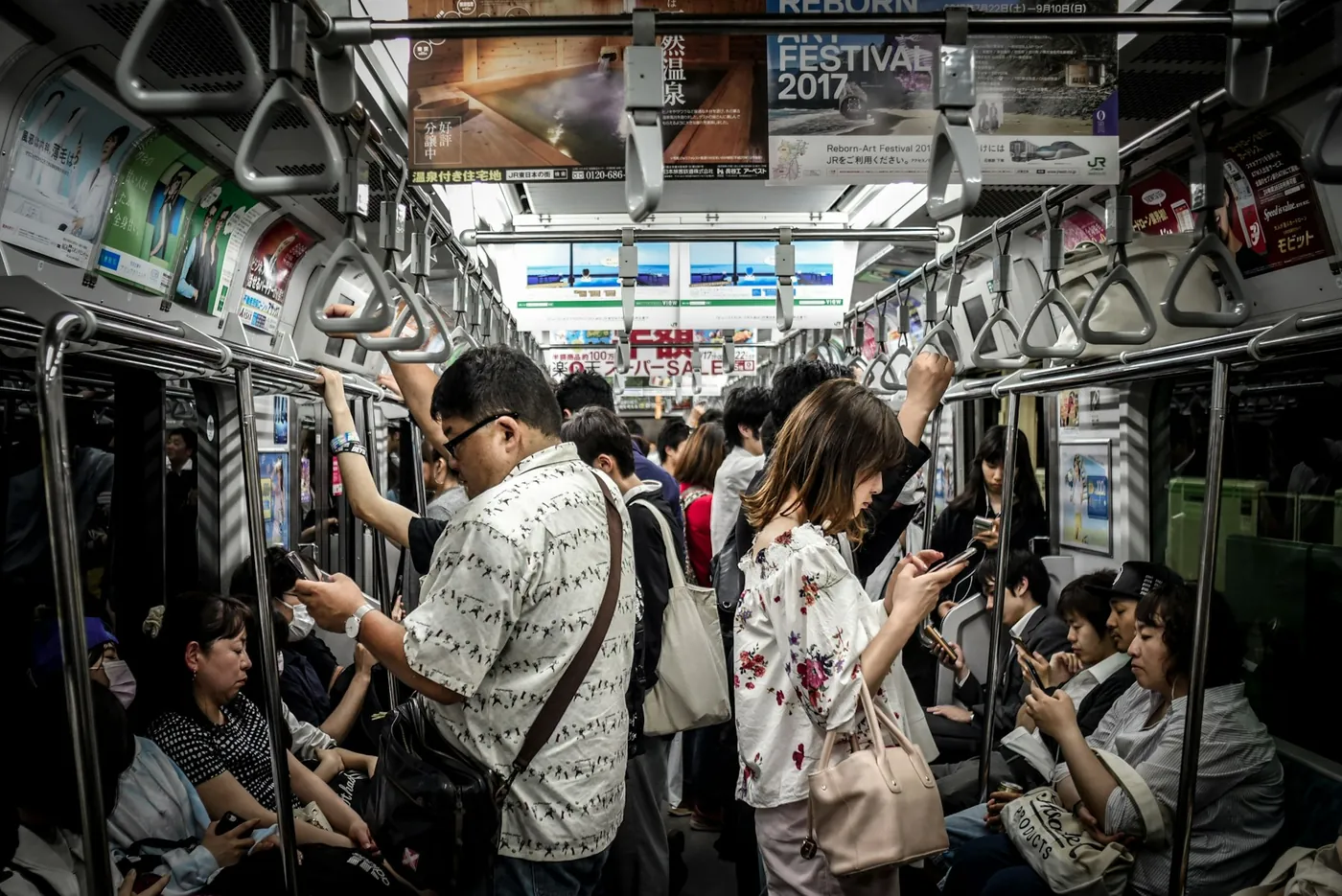
Rush hour: on short rides, many people stand even when they could sit
This part is less pleasant, but it is the truth. Japan has a real problem with groping on trains (痴漢, chikan). Many lines have run women-only cars at rush hour since the early 2000s, and there are warning posters in stations. Most of it is done by Japanese men, but it made people, especially women, careful about who they sit next to.
Add to that an image some Japanese people have of foreigners: louder, unpredictable, "you never know." It is a stereotype, and it is unfair. But for someone who already feels nervous on trains, an unknown foreigner can feel like an unknown risk. In Japanese culture, avoiding a possible problem or a scene (迷惑, meiwaku) often matters more than anything else. So they stay away from the situation, not from you as a person.
This is the one you control. Before you judge Japanese people for their reaction, look at how you look on the train.
If you sit with a hard face, loud headphones, legs wide open and a big bag on the next seat, people will choose another seat. They would do the same with a Japanese person like that. But if you are calm, smile a little and keep your space small, people feel it.
It has happened to me many times: children fell asleep next to me, their heads on my arm, and their parents let them. Even animals come close to me. People, and kids especially, feel when someone is safe. Kids don't care about stereotypes; they read your energy. That is the best proof that the seat next to a foreigner is not empty by rule.
The seat next to you often depends on the energy you bring into the car
Sometimes the seat is empty because nobody wants any seat. Many Japanese people prefer to stand:
the ride is short, and standing near the door makes getting off easy;
they would soon have to give the seat to an elderly person or a pregnant woman anyway;
for women in skirts, the low bench seats are uncomfortable: you sit facing a full row of strangers, and the skirt can ride up. Standing is simply easier.
So an empty seat next to you on a busy train is not always about you. Sometimes it is just an empty seat.
Sometimes, yes. Some people do avoid foreigners, and I won't pretend that never happens. But after five years here, I believe most "gaijin seat" moments come from the reasons above: seat habits, size, fear of trouble and standing culture.
If you read every empty seat as racism, Japan will feel cold and closed. If you understand it, it becomes one more Japanese habit you can smile about, and partly change.
Sit at the end when you can. Then nobody needs to "leave" you for a better seat.
Keep your space small: bag on your lap or on the rack, legs together, shoulders in.
Keep your voice low and take no phone calls. That is the rule for everyone on Japanese trains.
Relax your face. A small smile or nod when someone sits down changes a lot.
Don't take it personally when someone moves to the end seat. Watch: they do it to each other too.
Learn a few words: すみません (sumimasen) when you pass, どうぞ (dōzo) when you offer your seat. A little Japanese breaks the fear fast; I wrote about that in Speak first.
After a while, the train becomes the calmest part of your day
When I help students come to Japan through 7-MD's study abroad support, I also tell them about these small things nobody explains before you arrive: the trains, the silence, the seats. Understanding them early makes your first months much easier. To see the rest, read my first month in Japan.
K
Kader — 7-MD
Kader is the founder of 7-MD, a creator brand and digital studio in Osaka, Japan. He went from an engineering career in Algeria to building software, stories and services in Japan — and writes here about what 7-MD makes and how.
What I did in my first weeks as a student in Osaka, in the right order: the SIM card I ordered before flying, the question at the airport you should say yes to, the ward office, opening a bank account, the apartment — and how a supermarket and a 1,200-yen haircut changed my budget.
A school dropped its N4 rule after hearing me speak, and I was hired with N3 where N2 candidates were refused. Why the way you speak Japanese opens more doors than certificates and kanji — and how to train your voice.
How I went from Algeria to a language school in Osaka with no agent and nobody in Japan: choosing the school, the sponsor question, the documents, the COE, the bank transfer that took a week, the visa and the first day — with real dates and costs.