“Chotto…”: how Japanese people say no without saying no
In Japan you will rarely hear a clear no. You will hear “chotto…”, “we will consider it” or “it’s a bit difficult”. After five years in Japan, here is what these words really mean, why Japanese people talk this way, and why you should stop insisting after the first “chotto”.
You ask your manager to change your shift. He tilts his head, breathes in through his teeth, and says: "Hmm… chotto…" Then he stops. He doesn't finish the sentence.
If you are new in Japan, you think: OK, maybe. He will think about it. So you wait. You ask again next week. And again.
He was never going to say yes. "Chotto…" was the answer. It was a no.
I have lived in Japan for five years. As foreigners, most of us grew up with a direct lifestyle: yes is yes, no is no. I still believe being direct is the best way. But here, you have to learn a second language inside the Japanese language: the language of refusal.
Chotto (ちょっと) literally means "a little". You hear it everywhere: chotto matte (wait a little), chotto ii? (do you have a minute?).
But when someone answers your request with chotto… and leaves the sentence open, the full sentence in their head is something like "that is a little… difficult". They don't say the end, because you are supposed to understand it.
Other ways Japanese people say no:
難しいですね (muzukashii desu ne): "that's difficult, isn't it". Usually means impossible.
検討します (kentō shimasu): "we will consider it". In business, often a polite no.
考えておきます (kangaete okimasu): "I'll think about it". Often means no.
また今度 (mata kondo): "next time". There may never be a next time.
大丈夫です (daijōbu desu): "I'm fine". When you offer something, this usually means no, thank you, not yes.
In Japan, keeping harmony in the group (和, wa) is very important. A direct "no" feels like a small hit: it can make the other person lose face, and it makes the atmosphere heavy. So people soften it, and they leave the "no" unsaid.
There is a famous expression for this: 空気を読む (kūki wo yomu), "reading the air". Japanese people expect you to understand the situation from the pause, the face, the tone. Someone who can't read the air is called KY (kūki yomenai), and it is not a compliment.
So when a Japanese person says chotto…, from their side they were clear. They just used the Japanese way of being clear.
In Japan, the most important part of the answer is often the part nobody says
I will be honest with you: I prefer direct answers. A clear "no" saves time for everybody. I can make a new plan right away, and nobody waits for nothing.
Many foreigners feel the same, and at the beginning, chotto drives them crazy. They think Japanese people are hiding something, or that they are being lied to.
They are not. It is just a different system. And you don't have to love it. You only have to understand it.
Learn the pattern, and stop at the first "chotto"#
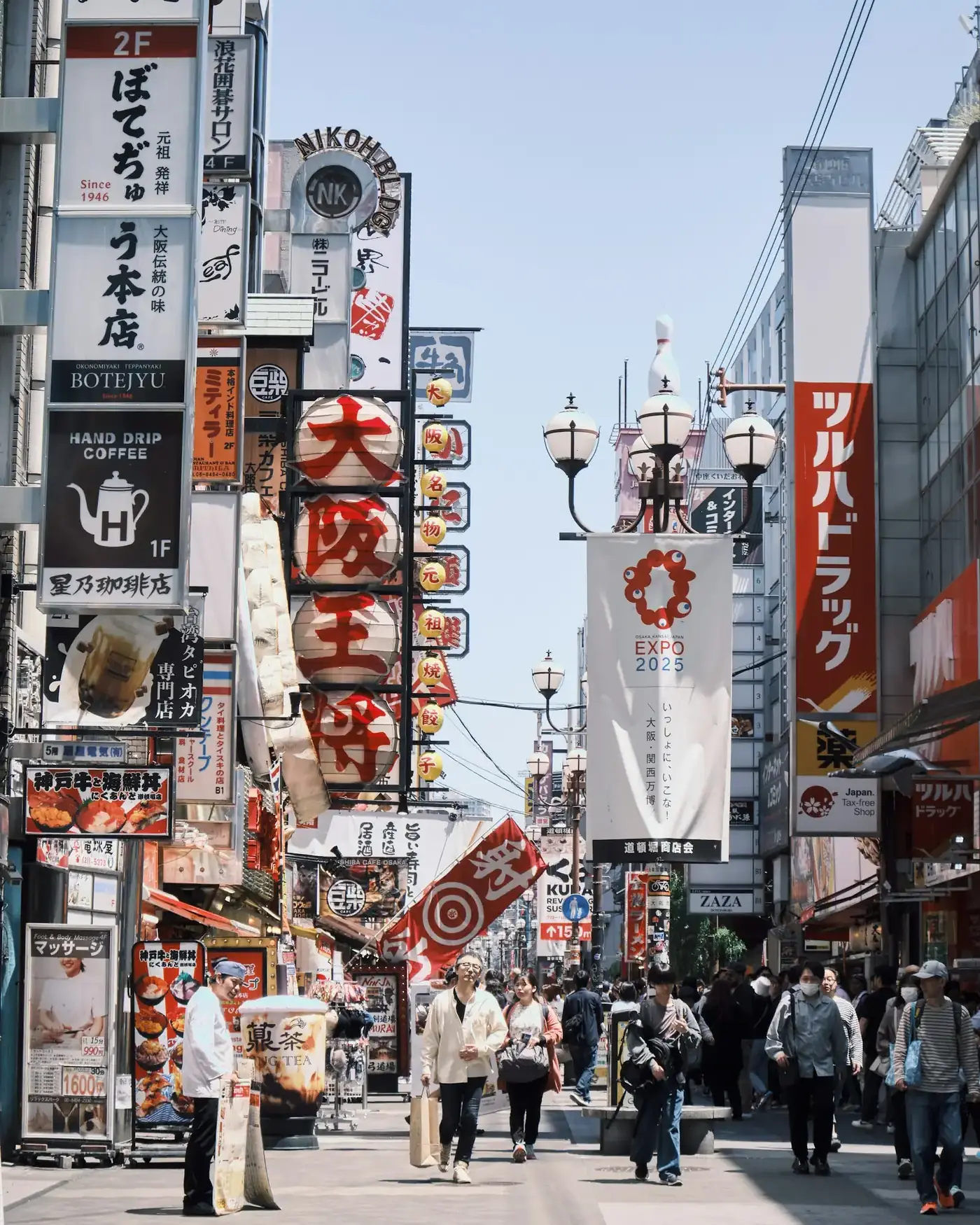
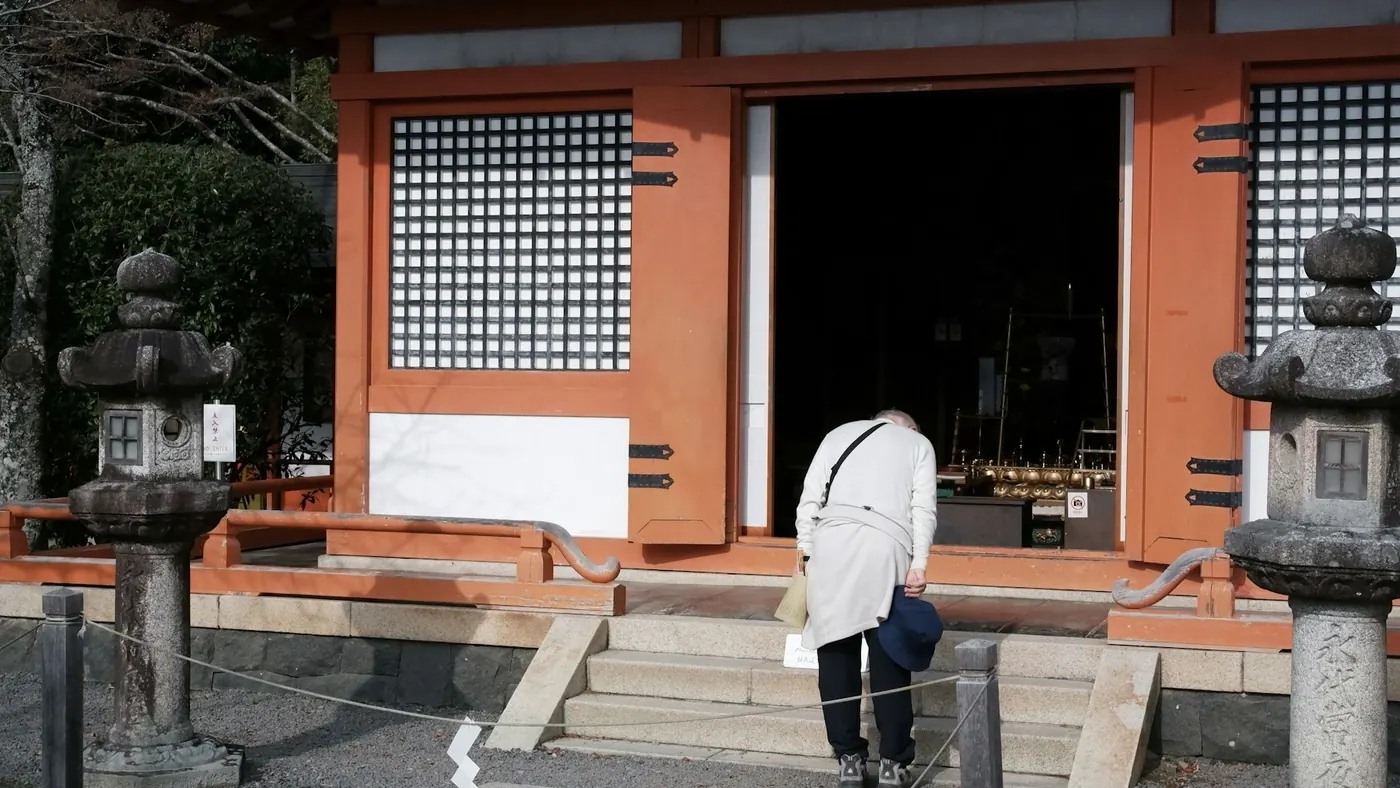
Osaka people are more direct than Tokyo people, but even here the chotto rule applies
This is the most useful advice I can give you: *after the first chotto, stop insisting.*
When foreigners don't know the pattern, they push: "Why? Maybe if I…? What about next week?" For the Japanese person, this is very uncomfortable. They already said no, politely, and now they feel forced to say it in a more direct way, which is exactly what they wanted to avoid. They will just answer chotto… again, and the relationship gets a little colder each time.
So when you hear the pattern (a pause, a head tilt, air through the teeth, chotto… or muzukashii…), do this instead:
Accept it, with a smile: "Wakarimashita, daijōbu desu" (I understand, it's OK).
Thank them: "Arigatō gozaimasu."
If you really need a solution, ask for an alternative, not the same thing again: "Then what would be possible?" (Ja, nani ga dekimasu ka?)
People will remember that you understood without being told. That is when Japanese people start to trust you.
Now the other side. You will also need to refuse things: an invitation, extra work, a product at the door. You can stay direct, but make it soft:
すみません、その日はちょっと… (Sumimasen, sono hi wa chotto…): "Sorry, that day is a little…"
今回は遠慮しておきます (Konkai wa enryo shite okimasu): "I'll pass this time."
ちょっと難しいです (Chotto muzukashii desu): "It's a little difficult."
My own way: I say the soft Japanese phrase, and then I add a short real reason. "Sorry, that day is a little… I have work." Soft for them, clear for me. It is the balance between my direct style and their culture.
Understanding the unsaid part of Japanese is what makes life here feel easy
Things like chotto are not in textbooks, and the JLPT will not teach you to read the air. When I help students come to Japan through 7-MD's study abroad support, I talk about these small codes early, because they decide how your first job, your first apartment and your first friendships go. If you want to start, read why you should speak Japanese first, and why the seat next to you on the train might stay empty: the gaijin seat.
K
Kader — 7-MD
Kader is the founder of 7-MD, a creator brand and digital studio in Osaka, Japan. He went from an engineering career in Algeria to building software, stories and services in Japan — and writes here about what 7-MD makes and how.
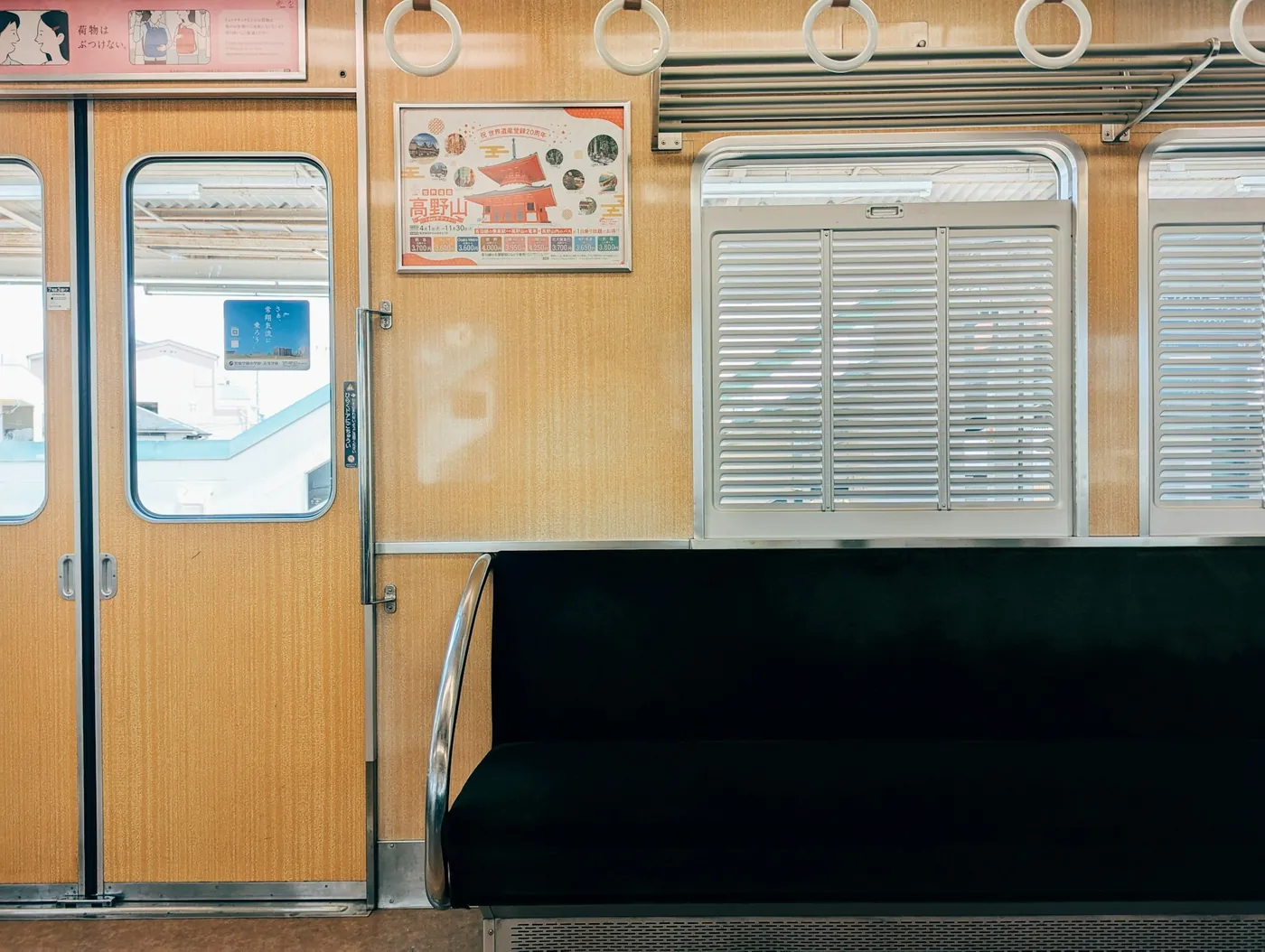
Foreigners in Japan call it the gaijin seat: the empty seat next to you on a busy train. After five years in Japan, here are the real reasons behind it, why it is usually not racism, and what you can do about it.
Most Muslim foreigners in Japan only avoid pork. After five years here, I explain why I only eat halal-labelled meat, how to read Japanese food labels, and the one thing that made this lifestyle easy: explaining it to my Japanese friends.
Your student visa ends with your studies. Finding a job in Japan takes one to three months, and changing your visa status can take up to three more. Here is the timeline I recommend so you start work right after graduation, without stress.