From student visa to work visa in Japan: start job hunting six months before you graduate
Your student visa ends with your studies. Finding a job in Japan takes one to three months, and changing your visa status can take up to three more. Here is the timeline I recommend so you start work right after graduation, without stress.
Every year I see the same story. A foreign student in Japan is in the last months of school. Exams, the graduation project, the part-time job. Job hunting? "Later, after graduation."
Then graduation comes. No job offer, no new visa, and the student visa is about to become useless. Stress, panic, sometimes a ticket home.
After five years in Japan, my advice is simple: start applying for jobs six months before your graduation date. Here is why, and how the timeline works.
Your student residence status (留学, ryūgaku) exists for one reason: to study. When you graduate, that reason is gone. Your part-time job permission (資格外活動許可) is for students too, so you cannot simply keep living on part-time work.
To stay and work, you need to change your residence status (在留資格変更許可申請) to a work status. For most graduates, that is "Engineer / Specialist in Humanities / International Services" (技術・人文知識・国際業務, often called gijinkoku). There is one important condition: the job must match what you studied. An IT graduate working as a developer, yes. The same graduate working only in a convenience store, no.
So the real question is not "when do I graduate?". It is "when will my new status be ready?"
Japanese hiring is slow and careful. A typical process looks like this:
Document screening (書類選考): your CV, often in the Japanese format (履歴書, rirekisho).
A test: many companies use an aptitude test like the SPI, or a Japanese test.
Two or three interviews: first with HR, then with the team, then a final one with a manager.
The offer, then the paperwork.
Each step can take one or two weeks. And you will not pass every company: most students apply to many companies to get one offer. One to three months is normal, and it can be longer.
Japanese companies read your documents carefully; prepare a Japanese-format CV early
Once you have the offer, the company gives you documents about the company and your contract, and you add your own: passport, residence card, and a certificate showing you will graduate (卒業見込証明書).
For students who graduate in spring, the immigration bureau usually starts accepting these applications from around December. Then you wait. In the busy season (January to March), when thousands of students apply at the same time, the result can take one to three months. When it is approved, you usually show your diploma after graduation and receive your new card.
This is why the second half of my timeline is three full months. If you only get your offer in February, you are racing against the calendar, and you cannot start working before the new status is granted.
Rules and dates change, so always check the latest information on the Immigration Services Agency of Japan website (出入国在留管理庁) and ask your school's career office.
If you graduate without a job, it is not the end. Japan has a "Designated Activities" status for job hunting (特定活動・就職活動) for graduates who are still looking. You usually need a recommendation from your school, and you can keep looking for a limited time, often up to one year for university graduates, depending on your case.
But believe me, it is much more stressful. You are looking for a job with a clock running, sometimes with less money, and every month without an offer feels heavier. Six months of preparation before graduation is much easier than six months of panic after it.
One more thing you should know. Japanese students do shūkatsu (就活, job hunting) very early, often starting more than a year before graduation, and the biggest companies hire on that calendar. If your dream is a large Japanese company, start earlier than six months.
For most foreign students, small and medium companies, IT companies and companies that want international profiles hire all year. For them, six months before graduation is the latest comfortable start, not the earliest.
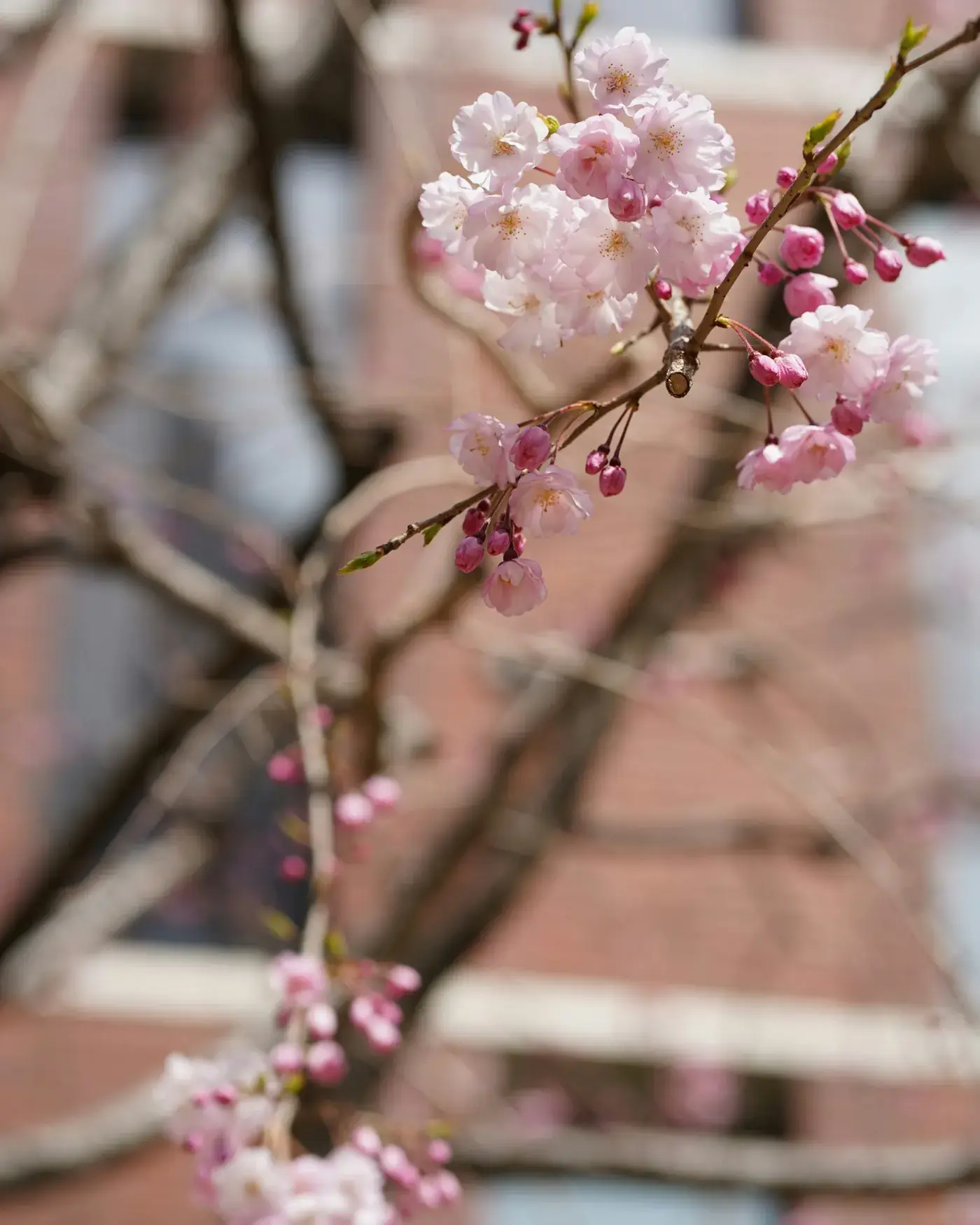
April: in Japan, the new work year starts with the cherry blossoms
When I help students come to Japan through 7-MD's study abroad support, I tell them to think about the end from the beginning: what you study decides which work visa you can get later. And whatever you study, your Japanese will open the doors. That is why I wrote speak Japanese first. If you are still at the start, read how the student visa works in my Algeria to Japan visa guide.
K
Kader — 7-MD
Kader is the founder of 7-MD, a creator brand and digital studio in Osaka, Japan. He went from an engineering career in Algeria to building software, stories and services in Japan — and writes here about what 7-MD makes and how.
In Japan you will rarely hear a clear no. You will hear “chotto…”, “we will consider it” or “it’s a bit difficult”. After five years in Japan, here is what these words really mean, why Japanese people talk this way, and why you should stop insisting after the first “chotto”.
Foreigners in Japan call it the gaijin seat: the empty seat next to you on a busy train. After five years in Japan, here are the real reasons behind it, why it is usually not racism, and what you can do about it.
Most Muslim foreigners in Japan only avoid pork. After five years here, I explain why I only eat halal-labelled meat, how to read Japanese food labels, and the one thing that made this lifestyle easy: explaining it to my Japanese friends.