Eating halal in Japan: why I don’t eat ordinary Japanese meat, and how my friends made it easy
Most Muslim foreigners in Japan only avoid pork. After five years here, I explain why I only eat halal-labelled meat, how to read Japanese food labels, and the one thing that made this lifestyle easy: explaining it to my Japanese friends.
When Muslims ask me about food in Japan, the first question is always the same: "Is it hard to find halal food?" The honest answer is: it depends on how strict you are.
I have lived in Japan for five years as a Muslim. In that time I have seen that most Muslim foreigners here follow one simple rule: no pork, no alcohol. Chicken, beef and the rest, they eat from any supermarket or restaurant.
My choice is different. I believe that ordinary meat in Japan, chicken and beef included, is not halal, because it is not slaughtered the Islamic way. So I only eat meat that is halal-labelled, like the Brazilian chicken you find in halal shops. This makes my life safer for my religion, but harder as a lifestyle. And the best solution I found was not an app or a shop. It was my friends.
If you come to Japan as a Muslim, you will meet both kinds of people:
"No pork" Muslims. They avoid pork, lard and alcohol, and eat other meat normally. Life is much easier for them: almost every restaurant has something.
"Halal meat only" Muslims. They avoid pork and alcohol too, but they also avoid any meat that is not slaughtered the Islamic way. That is me.
I don't judge anyone. Each person answers for their own choice. But you should know which one you are before you arrive, because it changes everything: your shopping, your lunch at school, your company dinners.
Japan is not a Muslim country. Normal Japanese slaughterhouses do not slaughter animals the Islamic way, and nobody says bismillah. For me, that means the chicken and beef in a normal supermarket are not halal, even if there is no pork near them.
So where does my meat come from?
Halal shops. Most big cities have small halal grocery shops, often run by people from South Asia, Turkey or Indonesia. They sell frozen halal chicken, beef and lamb.
Imported halal meat. A lot of it is Brazilian chicken with a halal mark on the package. Brazil exports a lot of halal chicken.
Online halal shops that deliver frozen meat to your door.
One warning: "Made in Brazil" does not automatically mean halal. Some supermarkets sell Brazilian chicken without any certification. Look for the halal mark on the package, not the country.
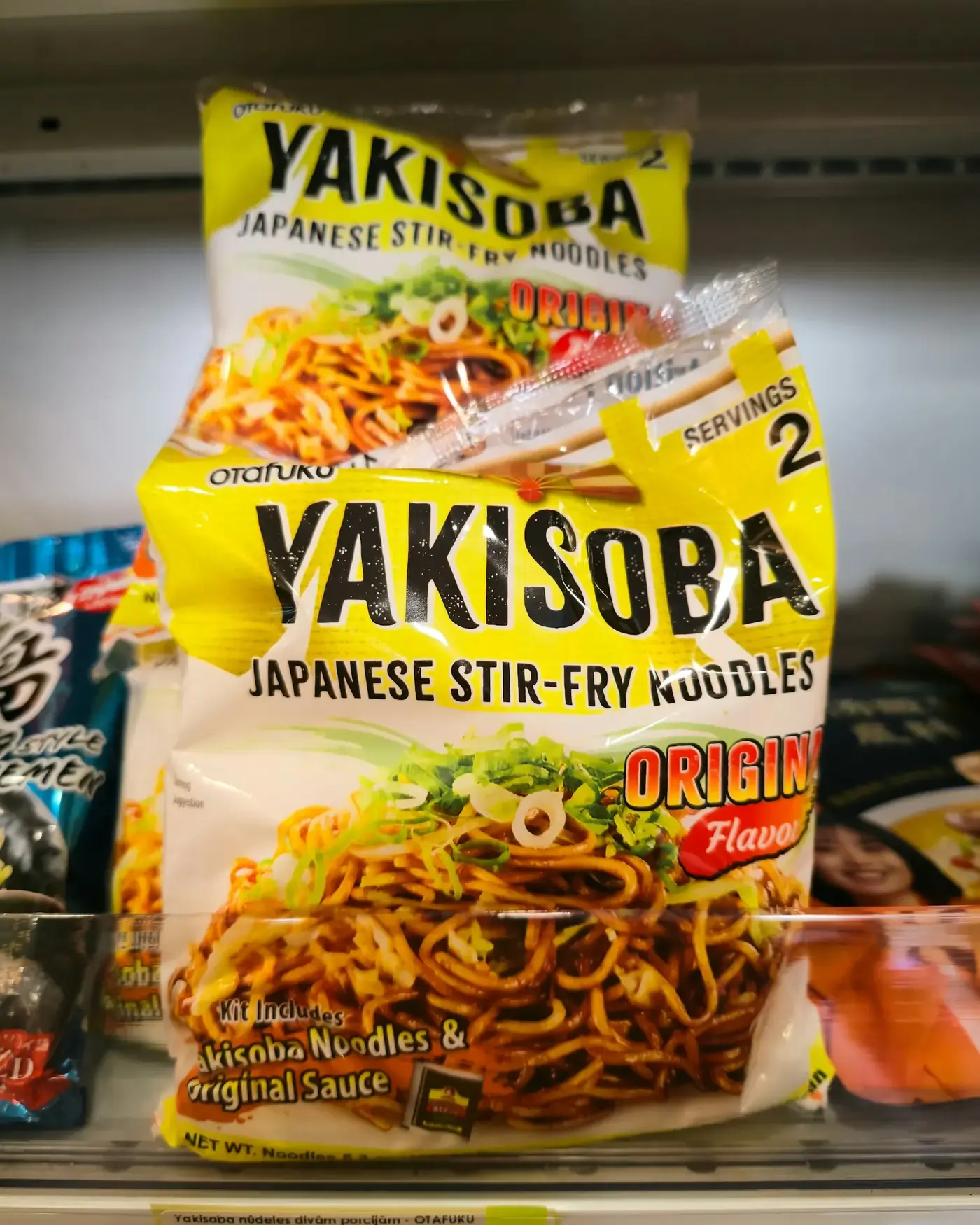
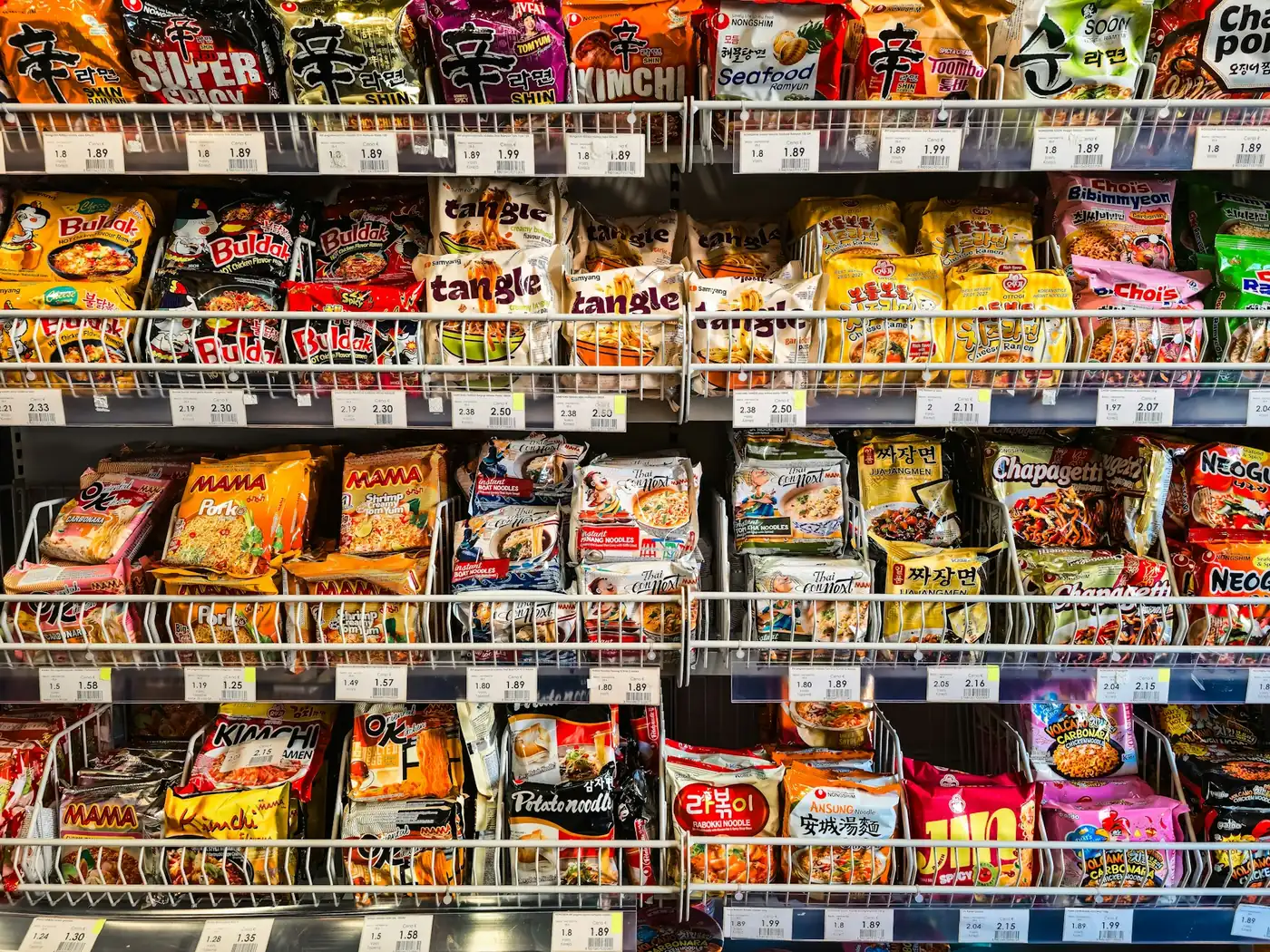
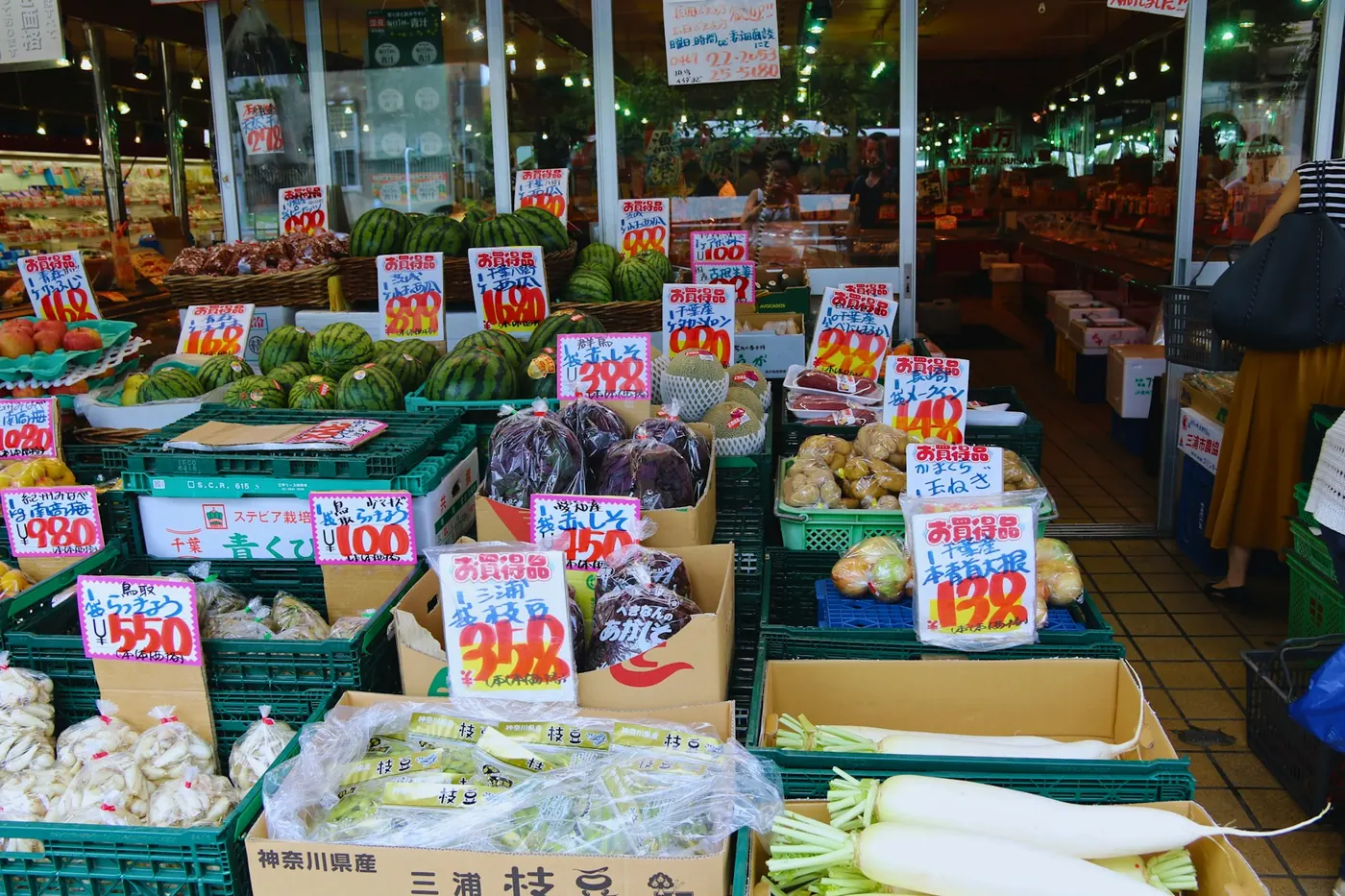
Instant noodles, sauces and snacks: the meat is often hidden in the ingredients list
Being strict is easy at home, where I cook. It becomes hard outside. In Japan, meat and alcohol hide in places you don't expect:
Ramen broth is usually made with pork or chicken bones.
Japanese curry roux often contains pork or beef fat.
Gyoza, karaage, tonkatsu, nikuman: all meat, all non-halal.
Sauces often contain mirin or sake (alcohol), and meat extract.
Even some sweets contain gelatin, usually from pork.
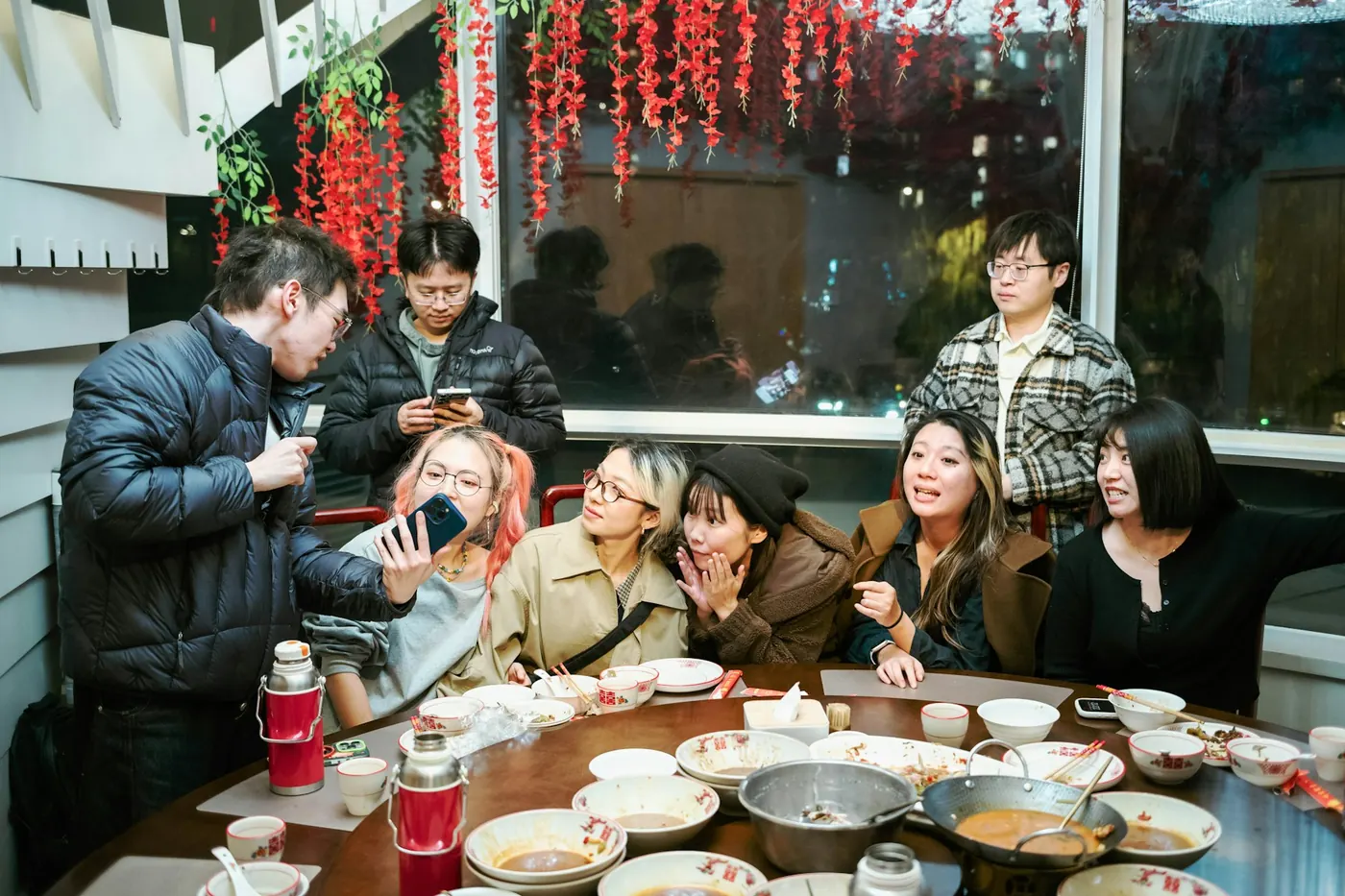
And the social side is the hardest. School events, nomikai (after-work drinking parties), barbecues, yakiniku nights: in Japan, eating together is how people get close. If you just say "no thank you" every time, people stop inviting you.
ショートニング and 乳化剤 (shōtoningu, nyūkazai): shortening and emulsifier, which can be animal or plant
A quick trick: look for the allergen line, which often starts with (一部に…を含む) ("contains some…"). Pork, beef, chicken and gelatin are on Japan's list of allergens that companies are asked to show. It is not required by law, so it is not perfect, but it catches most problems fast.
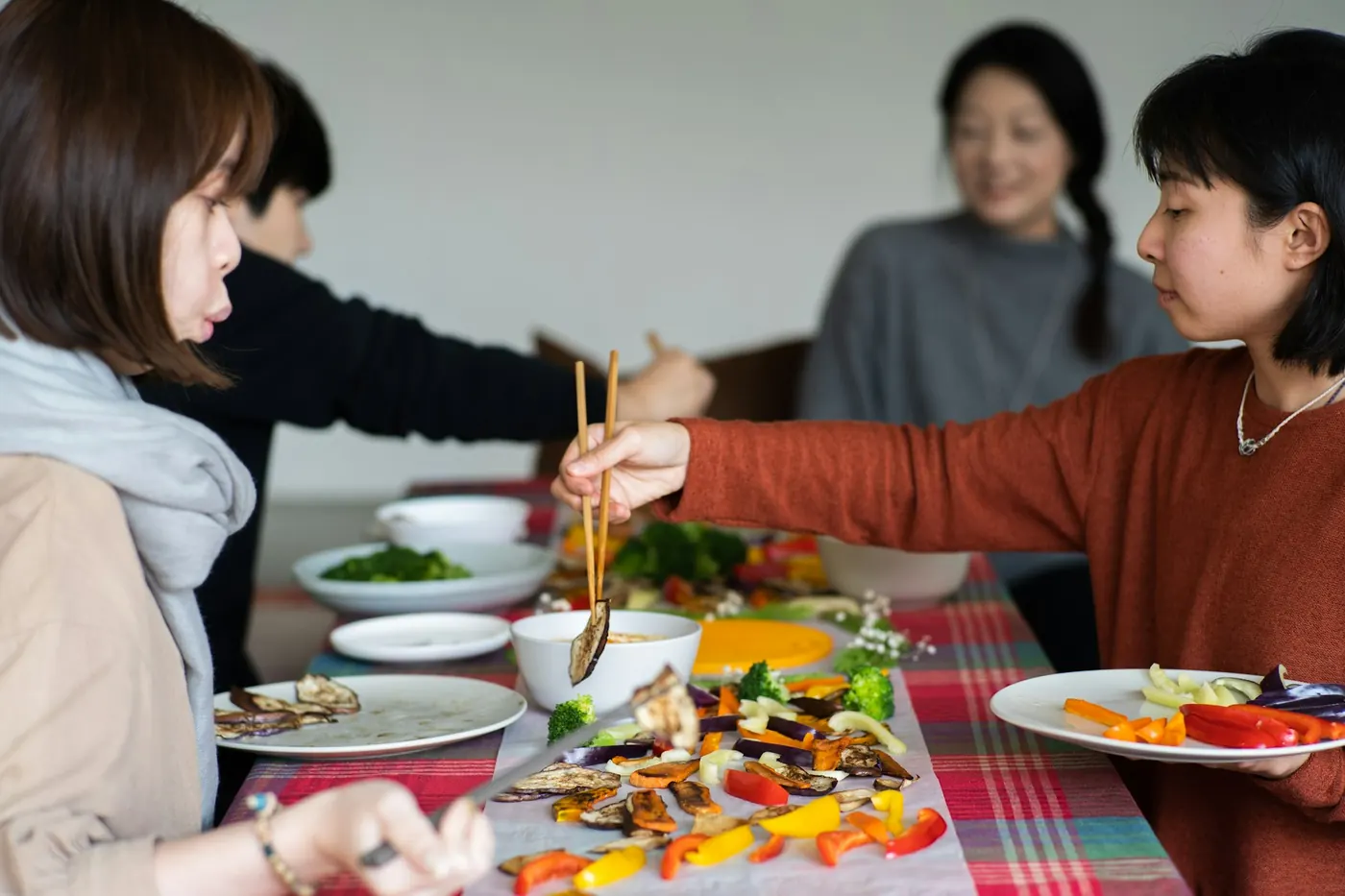
Once your friends understand your rule, they plan with you, not around you
This is the most important part of this article.
At the beginning, I tried to manage alone. I said "no thanks", I ate before going out, I looked for excuses. It made me tired, and it made me look cold.
Then I started to explain it clearly to my friends: "I am Muslim. I don't eat pork, I don't drink alcohol, and I only eat meat if it is halal." That's it. Simple and calm.
What happened surprised me. Asian people, and Japanese people especially, are very supportive once they understand. Japanese culture respects rules. A clear rule is much easier for them than a vague "I don't really like meat." My friends started to:
read the labels for me in the shop, faster than me because they read kanji;
ask the restaurant staff for me if something contains meat or alcohol;
plan the places for parties and trips where I would have no problem, sometimes before I even asked.
So my advice is: don't hide it, and don't apologise for it. Explain it once, early and clearly. Your friends will become your best halal guides.
There are mosques in most big Japanese cities, and the halal shops are often close to them. After Friday prayer is the best time to ask: other Muslims will tell you which shop has fresh meat this week, which restaurant is really halal, and which one just says it is. The community is small, but it helps each other a lot.
When I help students come to Japan through 7-MD's study abroad support, food is one of the first things Muslim students ask about. Being ready for it makes the first months much calmer. If you want to see what the rest of those months look like, read my first month in Japan, and if you want to make friends fast, read why you should speak Japanese first.
K
Kader — 7-MD
Kader is the founder of 7-MD, a creator brand and digital studio in Osaka, Japan. He went from an engineering career in Algeria to building software, stories and services in Japan — and writes here about what 7-MD makes and how.
In Japan you will rarely hear a clear no. You will hear “chotto…”, “we will consider it” or “it’s a bit difficult”. After five years in Japan, here is what these words really mean, why Japanese people talk this way, and why you should stop insisting after the first “chotto”.
Foreigners in Japan call it the gaijin seat: the empty seat next to you on a busy train. After five years in Japan, here are the real reasons behind it, why it is usually not racism, and what you can do about it.
Your student visa ends with your studies. Finding a job in Japan takes one to three months, and changing your visa status can take up to three more. Here is the timeline I recommend so you start work right after graduation, without stress.