Why repairing things in Japan costs more than buying new (and why I fix mine myself)
In Japan, repairing a phone or a PC often costs more than buying a new one. After five years here, I explain the Japanese repair culture: warranties for everything, payment by instalments, whole parts replaced instead of a cheap fuse, and why I keep a repair kit at home.
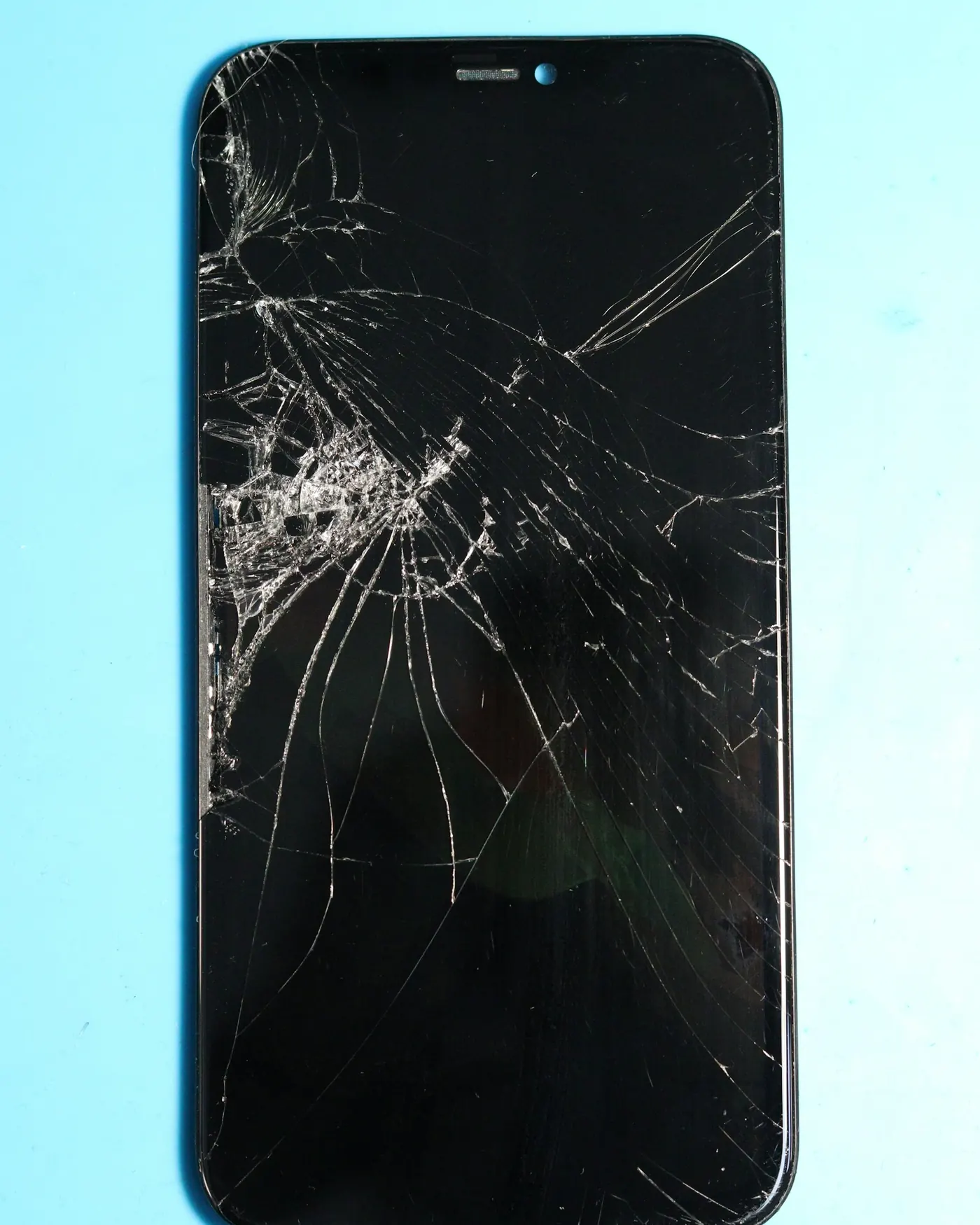
In five years in Japan, I noticed something strange. When a phone, a PC or any electronic device breaks, repairing it often costs more than buying a new one. A new screen, a new board, a "repair fee": you add everything, and the shop tells you that honestly, a new model is a better deal.
At first I didn't understand why. In Algeria, if something breaks, you take it to the repair man in the neighbourhood, he opens it, finds the problem, and you pay a small price. Then I started working with Japanese people, and I discovered the real reason: Japanese people don't repair things. They buy new ones. And the whole system is built around that.
The fear of this moment is what sells protection plans in Japan
In Japan, when you buy a phone, the shop offers you a protection plan or extended warranty with it. For example, two years of cover for a phone can cost around 30,000 yen. Cameras, laptops, game consoles, washing machines: there is a plan for almost everything.
And most Japanese people take it. Why?
They worry. Many people know they might drop the phone, or they are simply afraid of it. Paying for the plan makes them feel safe, even if, in the end, they never use it.
They don't feel the price. Phones are often paid with a credit card or in instalments with the monthly phone bill. The plan is added to the instalments too. A few hundred yen more per month doesn't feel like 30,000 yen.
The company wins. The makers know their products will last at least three years for most people. So most of that insurance money is never paid back. It is a win for them.
So when a Japanese person has a problem with their phone, they don't ask "can you repair it?". They ask "is it covered by the warranty?"
And a warranty claim usually means changing the whole device, or a whole expensive part: the full screen unit, the full motherboard. Not fixing the small thing that actually broke. A problem that could be a 10-dollar fuse becomes a big replacement, because that is how the system works.
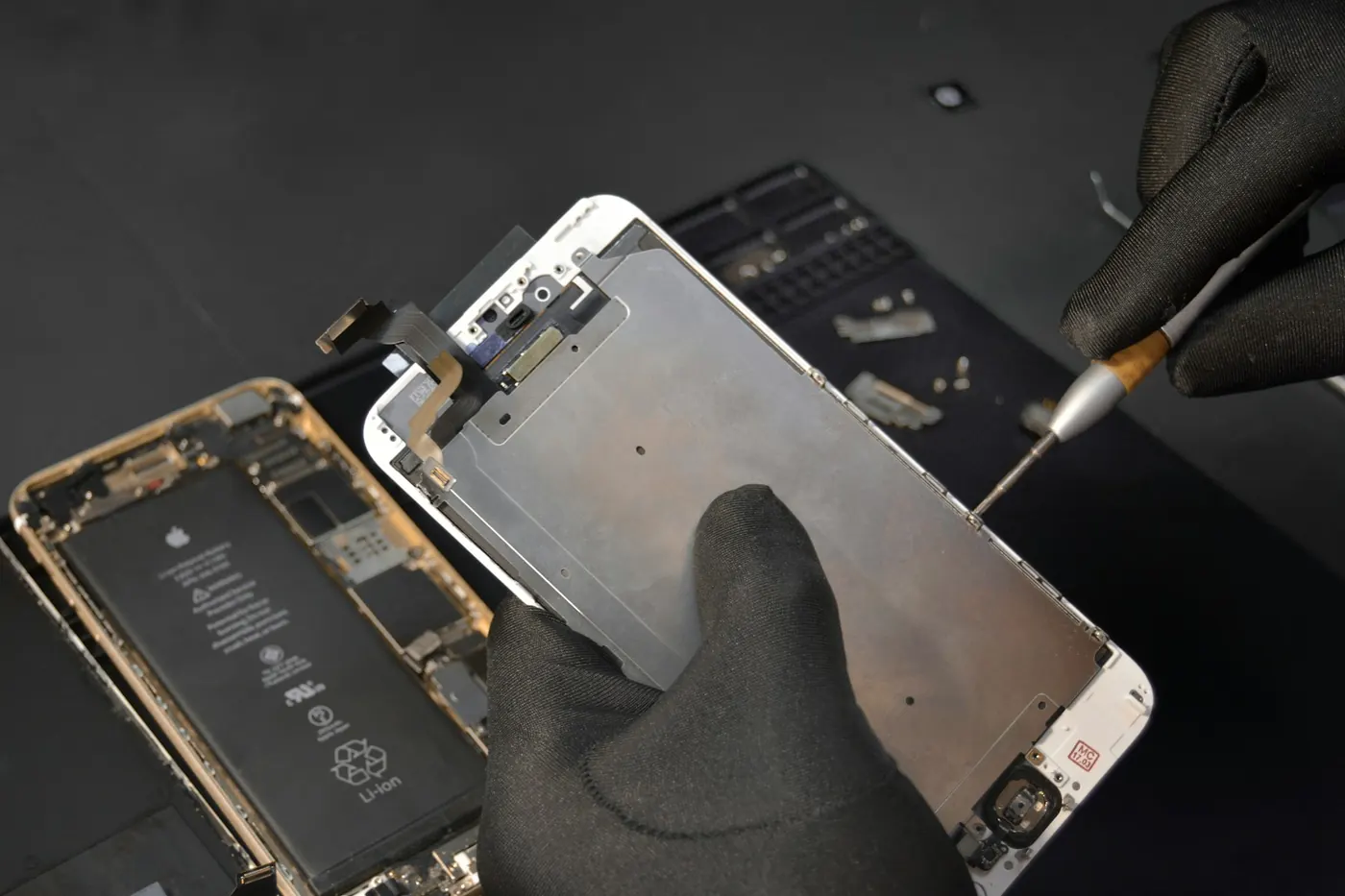
Often the problem is one tiny part; the bill is for the whole board
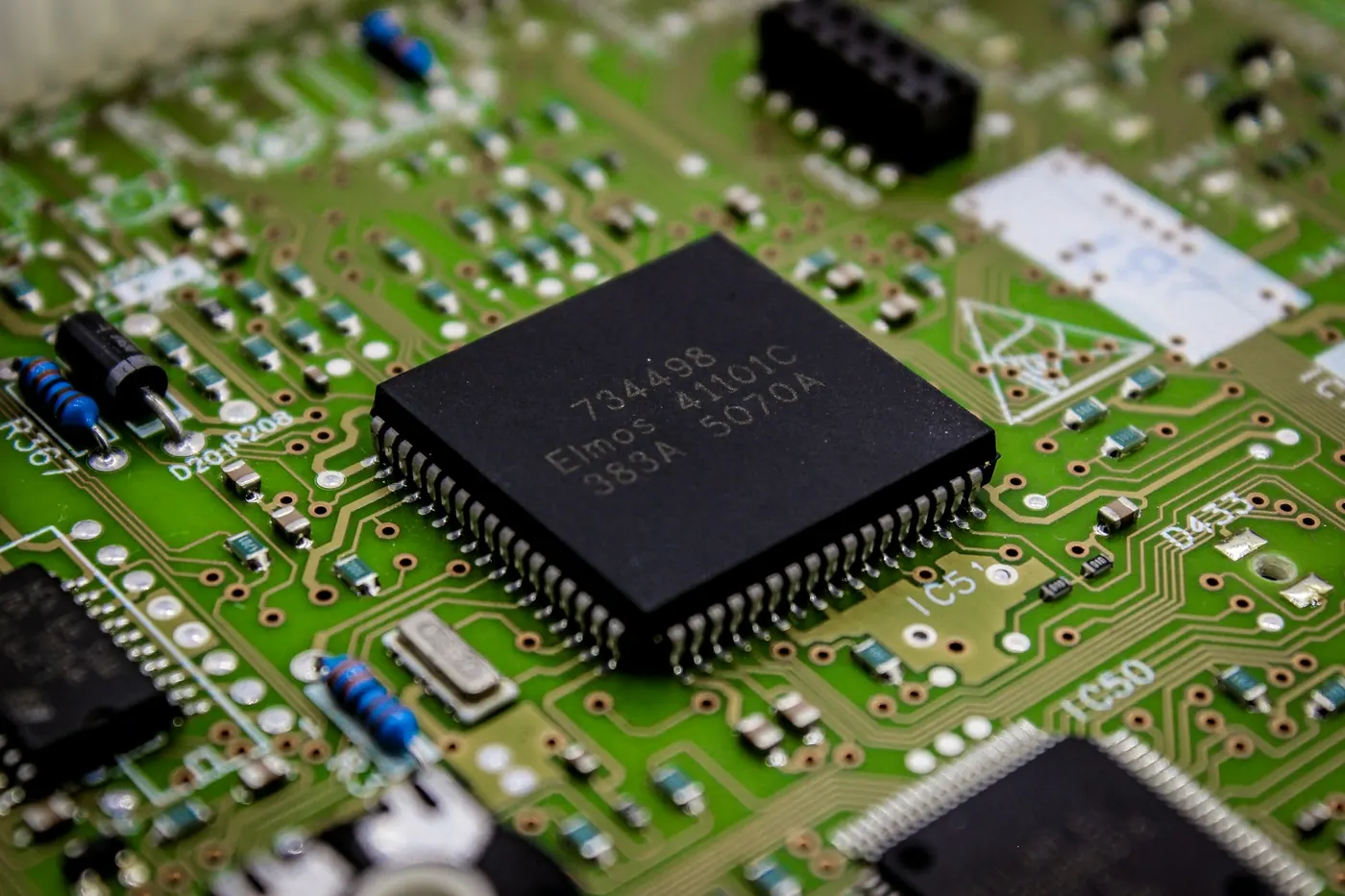
This is the part that surprised me most. Many repair services here don't really try to find the exact problem. If a phone doesn't charge, the technician doesn't test the small fuse or the charging port that caused it. He changes the whole motherboard.
It is faster for him, it is "safe", and it makes more money. And for the customer, the bill is so high that the conclusion is always the same: "buying a new one is the better choice." Over time, this teaches Japanese people that repairing is never worth it.
In America, many people have a DIY (do it yourself) culture: a garage, a toolbox, YouTube, and they fix it. In Japan, most people don't do that. Opening a device yourself feels risky, a little wrong, something for professionals only.
So sometimes the "broken" phone only needs the charging port brushed clean, or simply a full charge. But the owner goes straight to the store, worried, thinking it is a big problem, and starts a warranty claim for something that would take two minutes at home.
As a foreigner, and especially coming from Algerian culture, this way of thinking doesn't match mine.
I don't believe in paying insurance for a future breakage that may never happen. It doesn't match my culture, and it doesn't match my religion either. I am not even sure that I will still be alive before the phone or the camera breaks. Why pay today for that?
And if something needs repair, I believe a repair should not cost that much. A fuse is a fuse. A port is a port. But in Japan it is totally different, so I decided to do things my way.
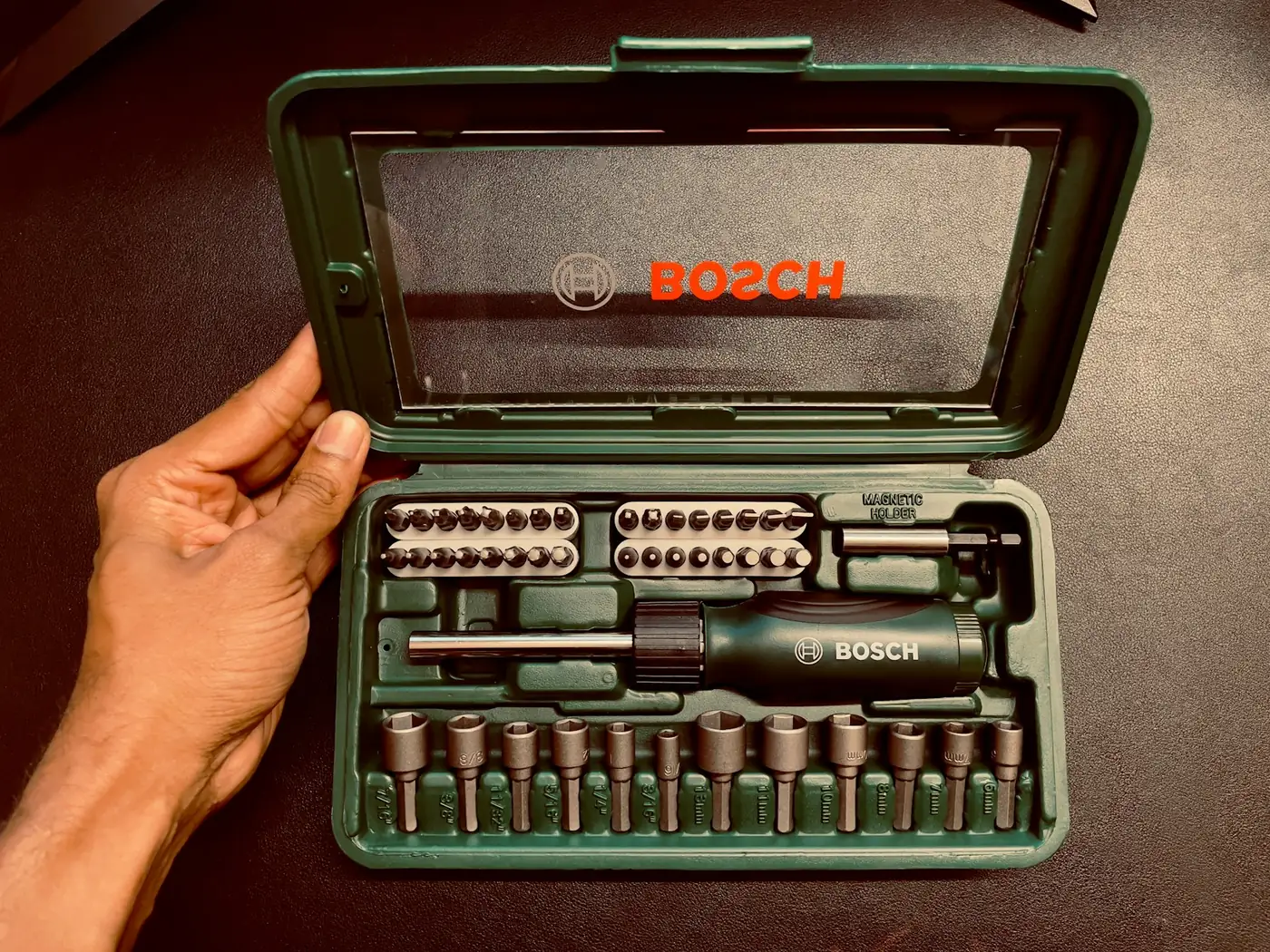
A good precision screwdriver set is the first thing to buy
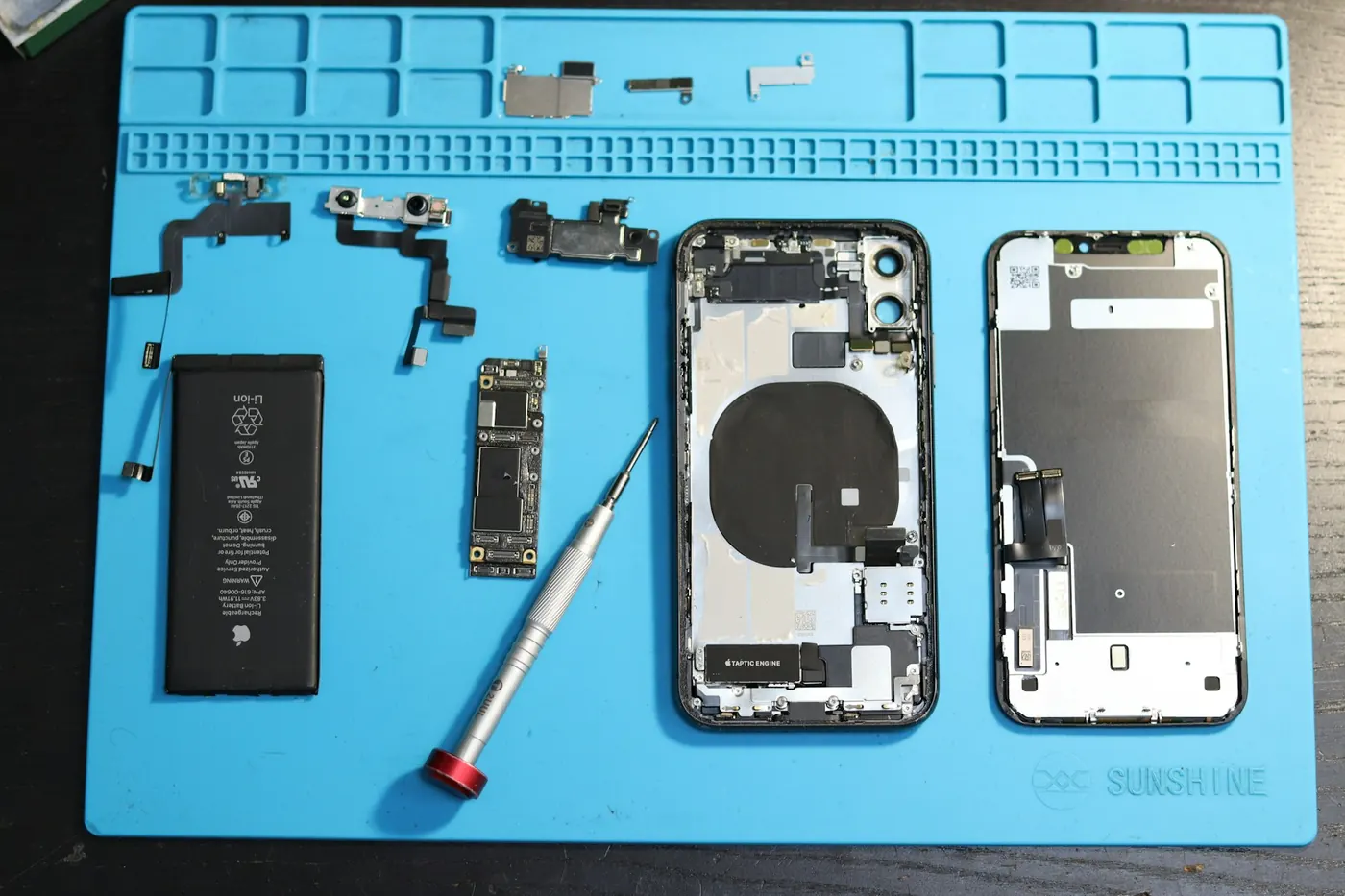
I fix my own devices. I bought a precision screwdriver set, and I buy spare parts on Amazon Japan: batteries, screens, charging ports, fans, cables.
And here is the surprise: in Japan, parts and tools are cheap. Because most Japanese people don't use them, there is little demand, and the prices stay low. A battery or a charging port often costs a small part of what a shop would charge you for the same repair.
It is better to have a repair kit at home, especially if you know how to use it. But even if you don't, today you are not alone:
YouTube has a step-by-step video for almost every phone, laptop and console model. You can watch the exact repair for your exact device before you buy anything.
AI assistants can help you find what is wrong: describe the problem, and they guide you through what to check first, which part you probably need, and how to do it step by step.
Before, fixing your own phone needed years of experience. Now it needs a cheap kit, patience, and a good video.
Opening a device can cancel its warranty. If it is still under warranty, use the warranty first.
Be very careful with batteries. A damaged or punctured lithium battery can catch fire. Never bend or pierce it, and recycle old batteries properly.
Don't open devices that run on mains power, like microwaves, if you don't know what you are doing. Some parts stay dangerous even when unplugged.
Try the simple things first: a full charge, a restart, cleaning the port with a soft brush.
If you prefer a shop, compare the official repair with independent repair shops. Japan has phone repair shops registered with the Ministry of Internal Affairs (総務省登録修理業者), and they are often much cheaper than replacing the whole device.
Look at second-hand shops. Stores like Hard Off sell "junk" items (ジャンク品) very cheaply. They are great for spare parts, or for a device you can fix yourself.
Japan sells the newest models everywhere; you decide if you really need one
Living in Japan doesn't mean you have to copy every Japanese habit. Understand why people do things here, then keep what makes sense for you. For me, that means no insurance plans, a screwdriver set in my drawer, and a few videos before I spend money on a new phone.
If you are preparing to come to Japan, 7-MD's study abroad support helps you understand these small daily things before you arrive. To see what the first weeks look like, read my first month in Japan. And if you are curious about other Japanese habits, read why Japanese people say chotto instead of no.
K
Kader — 7-MD
Kader is the founder of 7-MD, a creator brand and digital studio in Osaka, Japan. He went from an engineering career in Algeria to building software, stories and services in Japan — and writes here about what 7-MD makes and how.
In Japan you will rarely hear a clear no. You will hear “chotto…”, “we will consider it” or “it’s a bit difficult”. After five years in Japan, here is what these words really mean, why Japanese people talk this way, and why you should stop insisting after the first “chotto”.
Foreigners in Japan call it the gaijin seat: the empty seat next to you on a busy train. After five years in Japan, here are the real reasons behind it, why it is usually not racism, and what you can do about it.
Most Muslim foreigners in Japan only avoid pork. After five years here, I explain why I only eat halal-labelled meat, how to read Japanese food labels, and the one thing that made this lifestyle easy: explaining it to my Japanese friends.